
Sustainable raw material supply
.avif)
At the origin of all plaster products, there is gypsum.
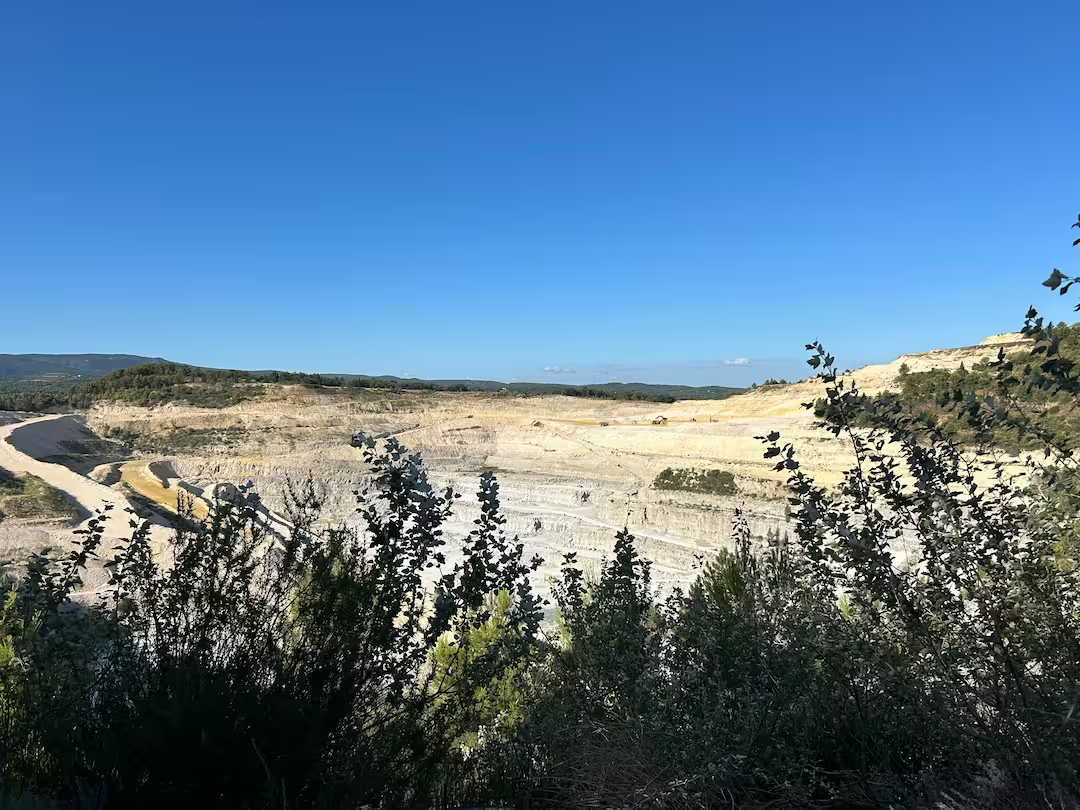
Biodiversity in Gypsum Quarries
In Europe, gypsum is mainly extracted in open-pit quarries and, in some cases, mined underground, before being crushed into smaller pieces and largely processed into high-quality building products. The extraction of gypsum involves temporary land use. During and after extraction, species conservation and the restoration of the natural environment play a major role. Eurogypsum’s Biodiversity Contest highlights companies’ commitment to biodiversity in quarries and compensation areas. View the competition photos here and check our best practices in gypsum quarries across Europe here.
Eurogypsum has signed the Extractive Sector Species Protection Code of Conduct with BirdLife Europe & Central Asia, as well as other extractive industries. The Code is endorsed by the European Commission. Find out more here.
Together with the aggregates sector, Eurogypsum has also signed a Letter of Intent with the International Union for Conservation of Nature (IUCN).

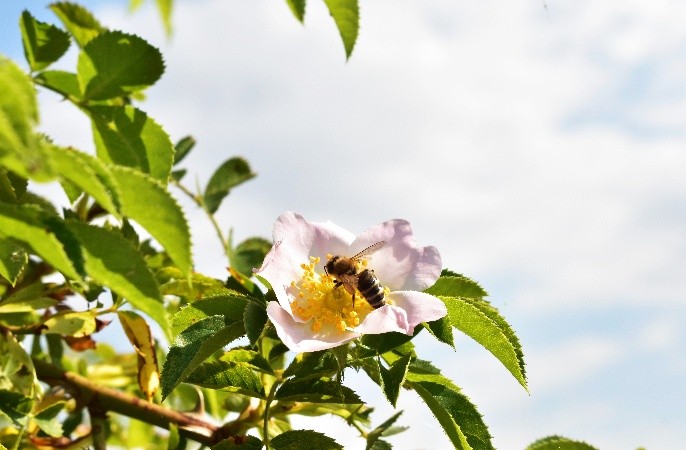
Other sources of gypsum
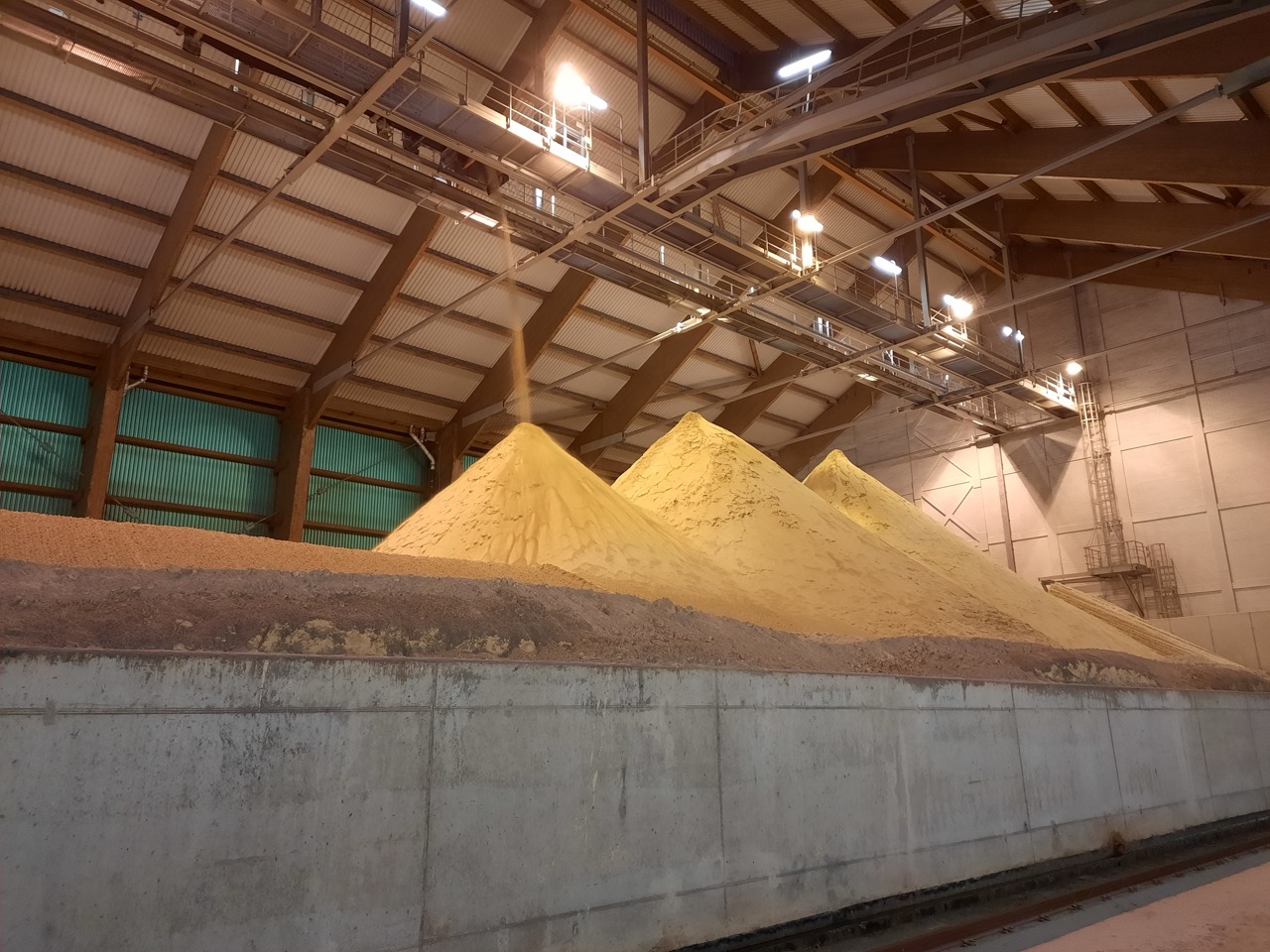
In addition to its natural formation, gypsum can also be produced synthetically. In Europe, synthetic gypsum is mainly produced through flue gas desulphurisation in coal-fired power stations (FGD gypsum). However, due to the energy transition, less and less synthetic gypsum is being produced, meaning that primary gypsum sources are becoming increasingly important. Reliable access to domestic raw materials is therefore essential for an independent and resilient Europe.

.jpg)
.jpg)