
From the sea to outer space
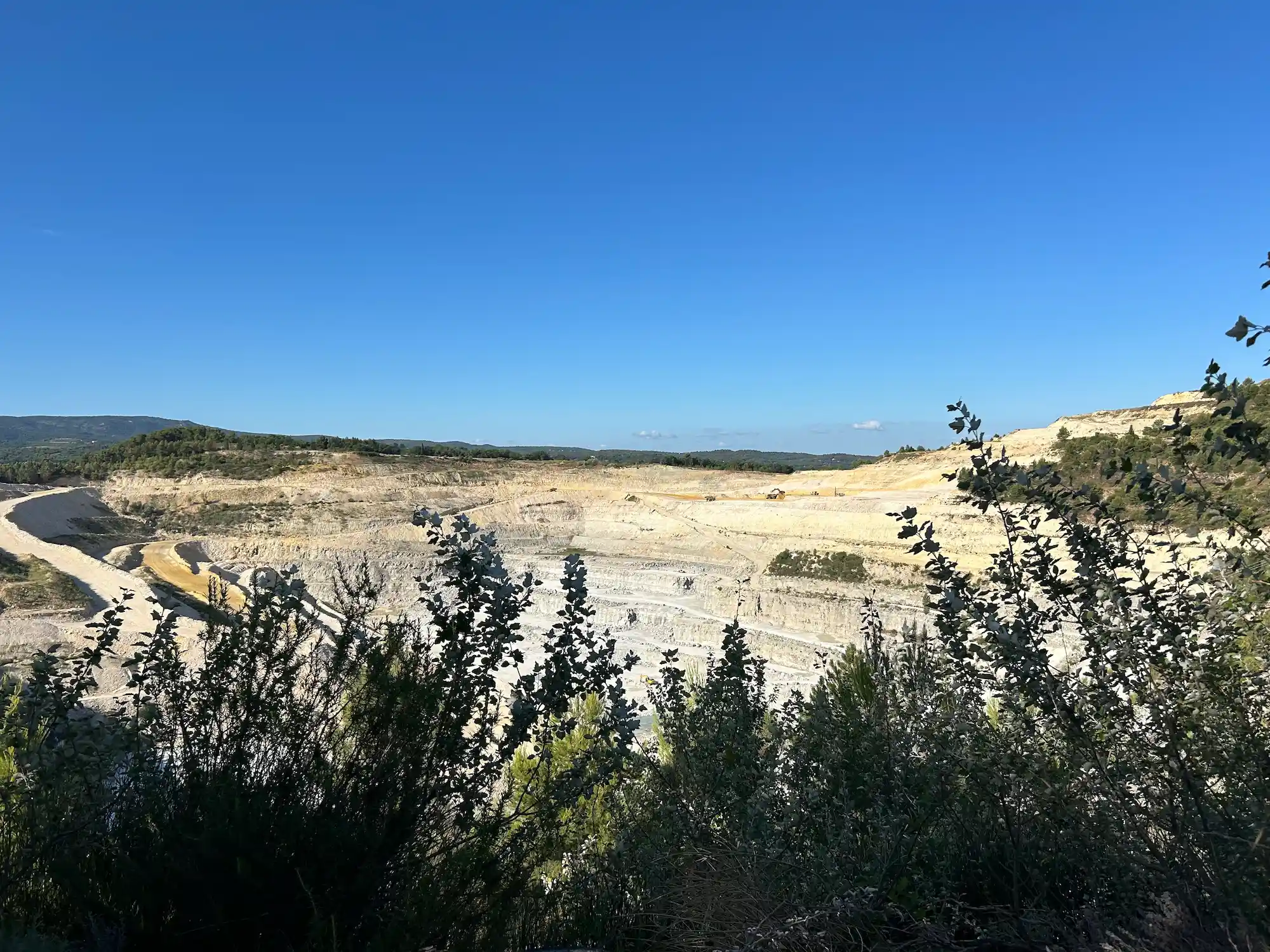
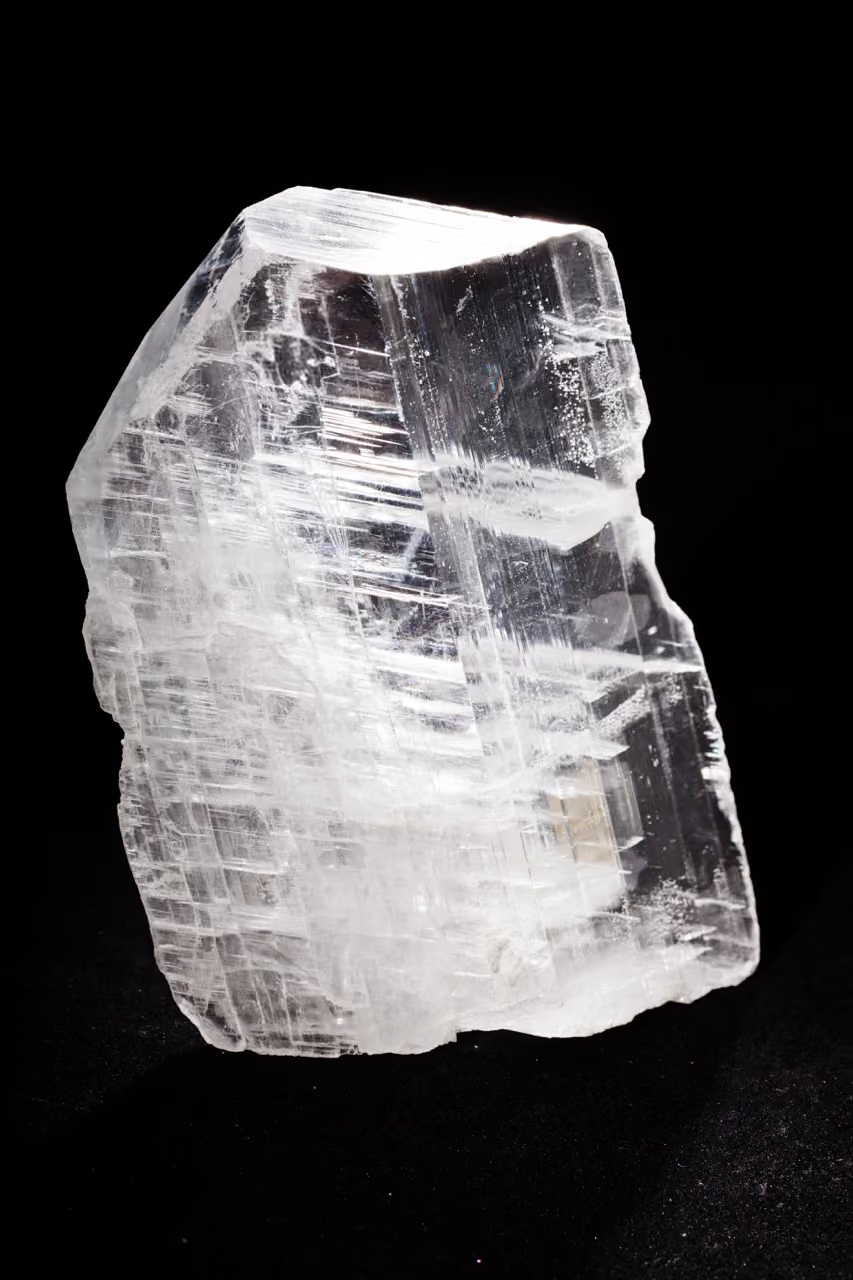
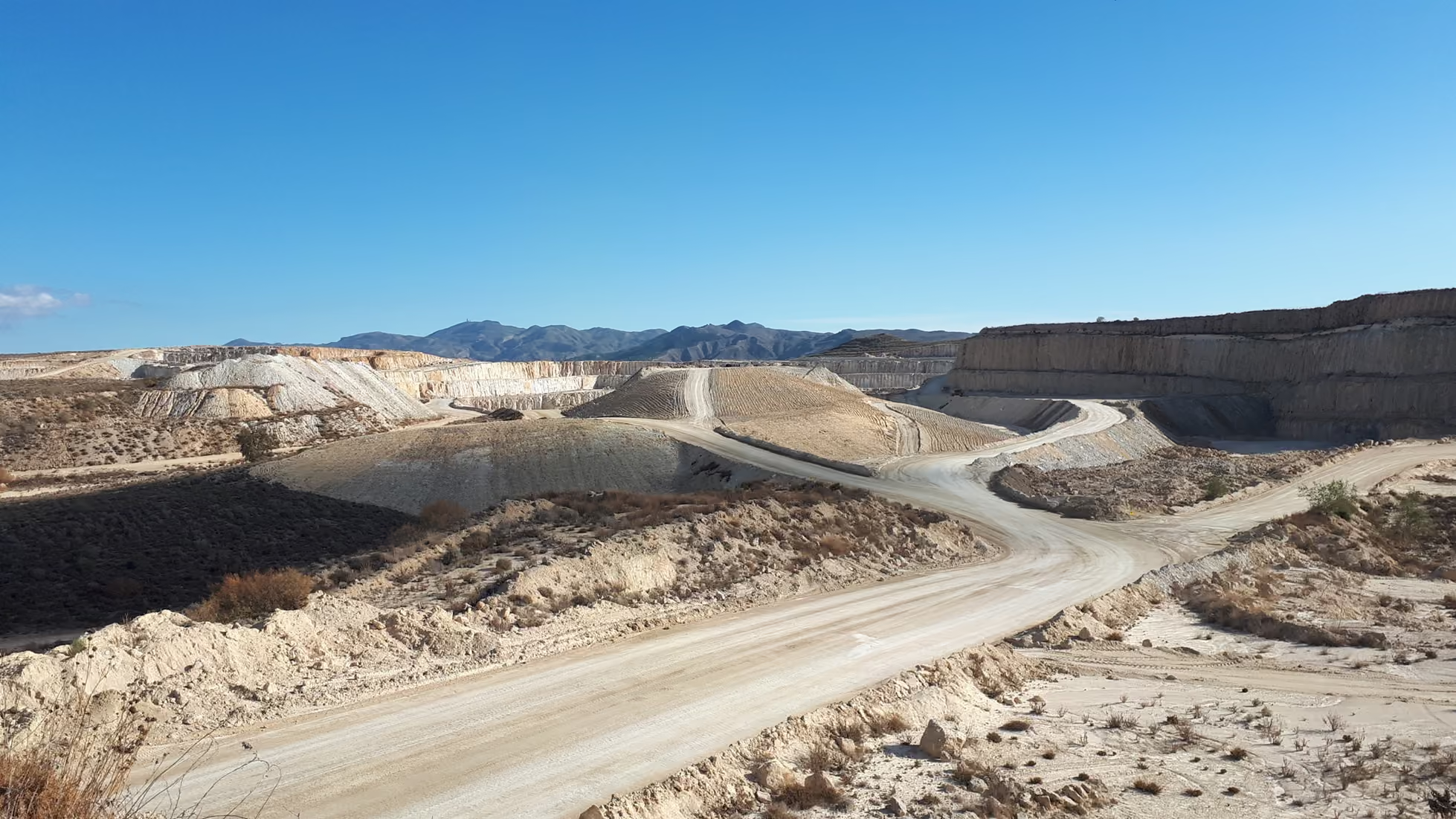
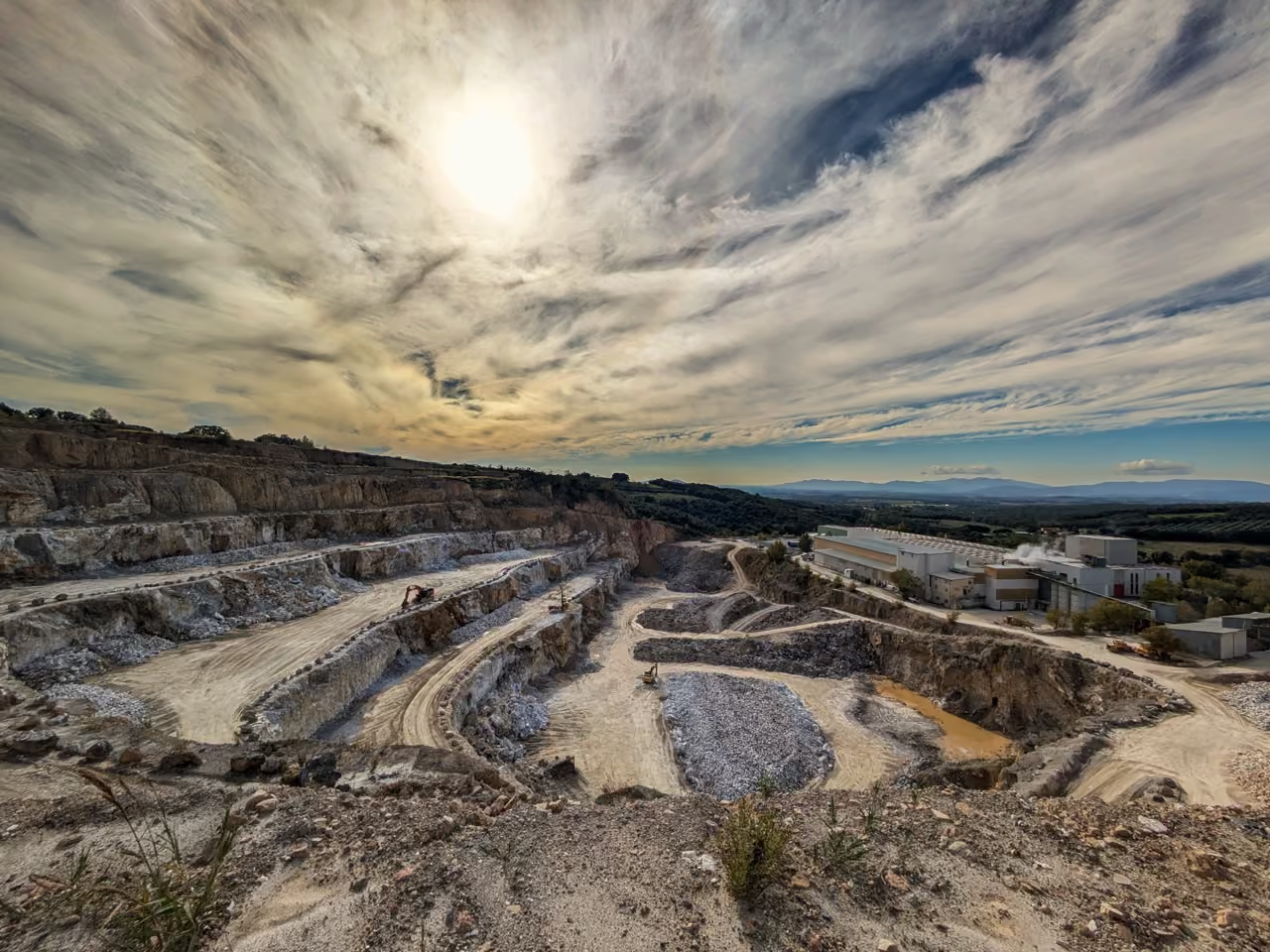
Gypsum is a special mineral. You can find it across the world, in layers that were formed under salt water millions of years ago. When water evaporated, it left the mineral behind.
To infinity and beyond!
Gypsum is composed of calcium sulphate (CaSO4) and water (H2O). Its chemical name is calcium sulphate dihydrate (CaSO4 · 2H2O).
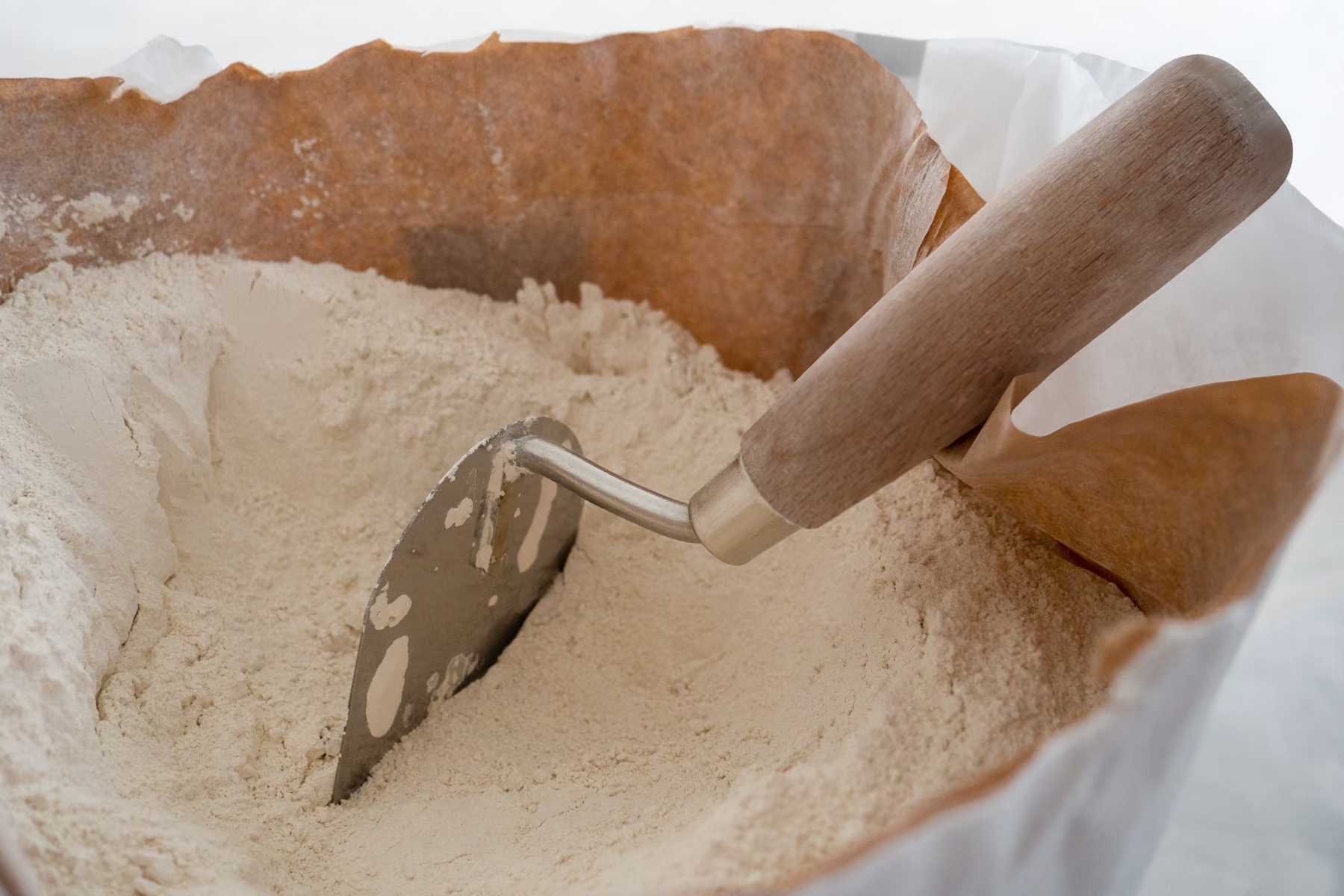
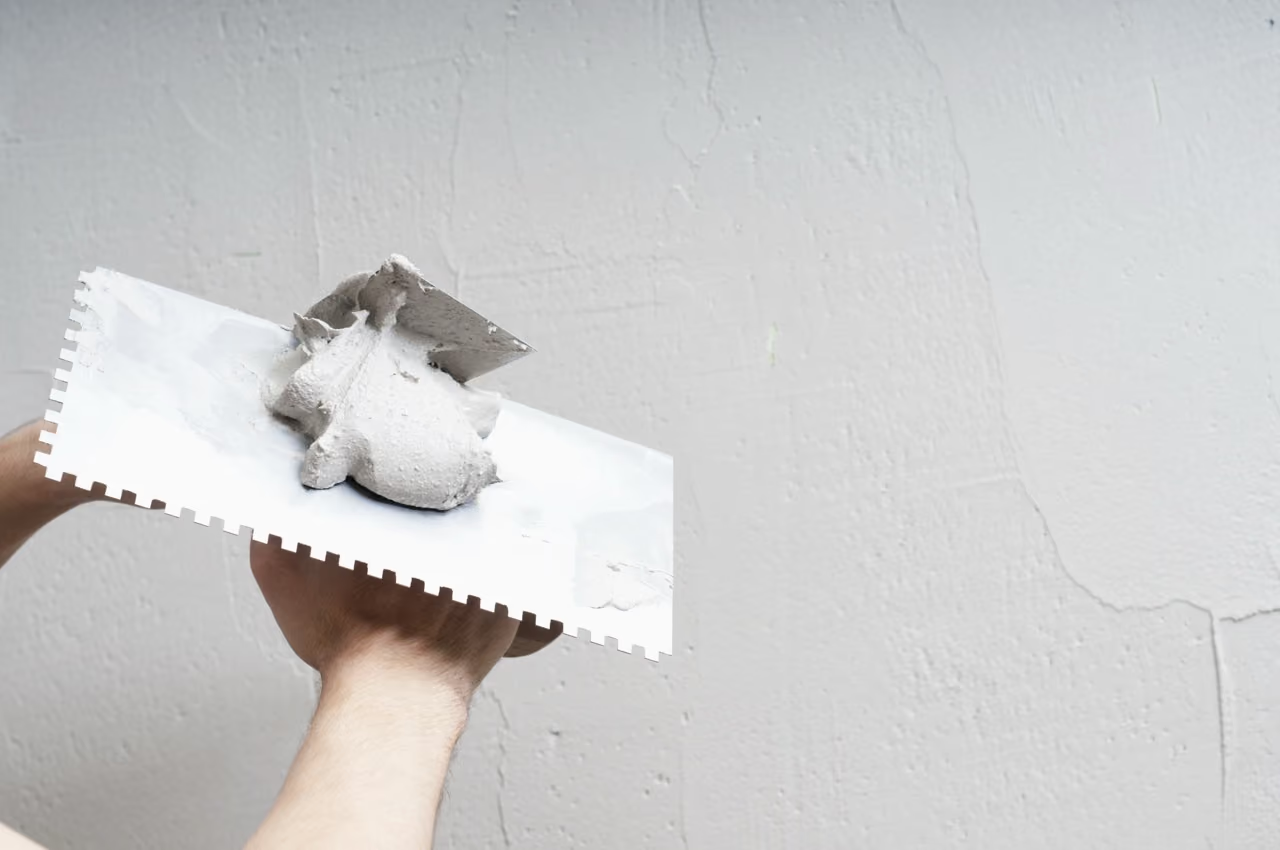
It can be milled, mixed with water and then resume its original rock-like state. This means it can be shaped and hardened.
Gypsum also has a “closed recycling loop”, meaning it can be endlessly recycled while maintaining a high quality.
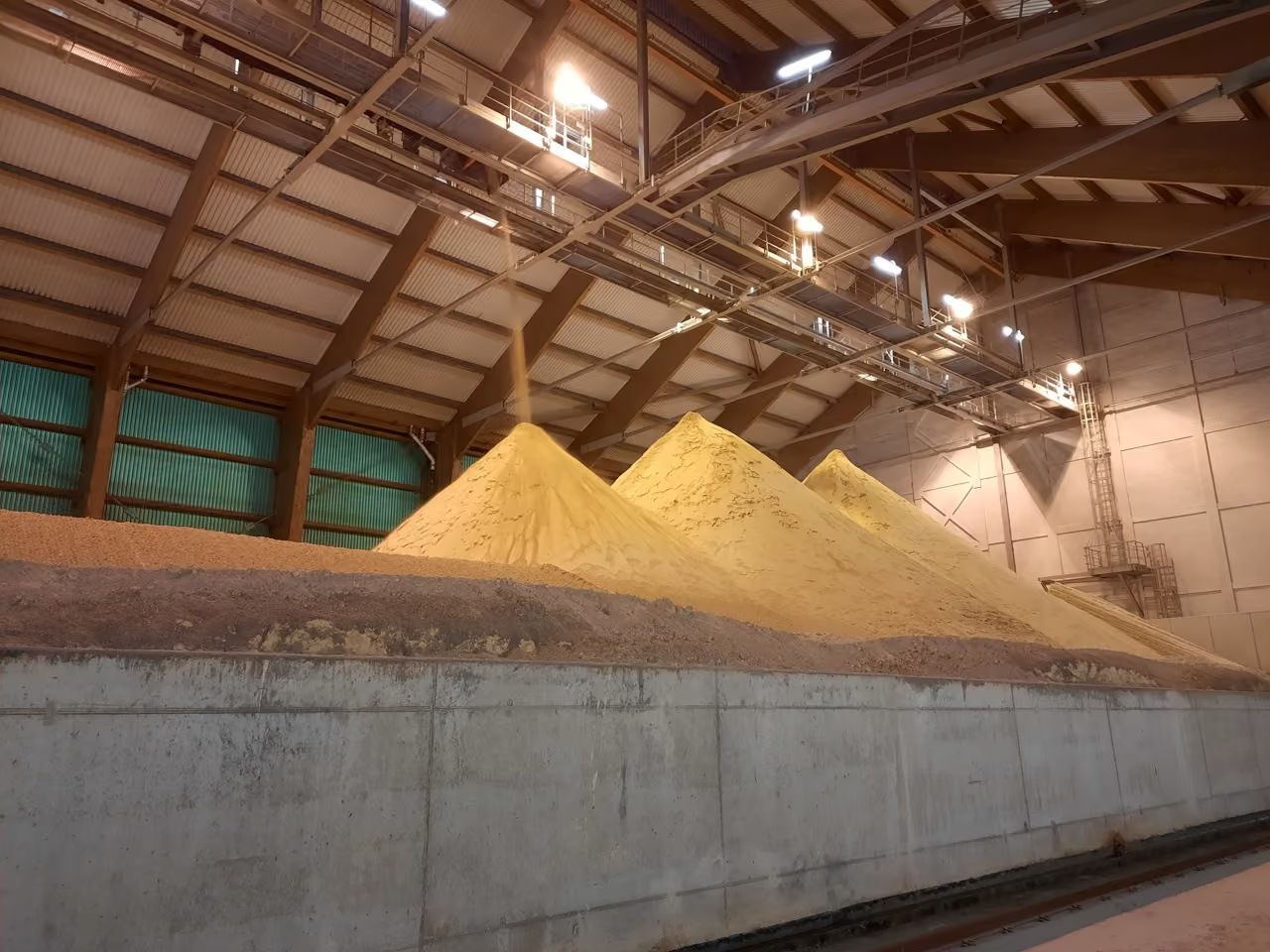
Besides natural gypsum from the ground, several sorts of synthetic gypsum can be produced as by-products of industrial processes. This is for instance the case of Flue Gas Desulphurisation Gypsum (FGD Gypsum), also called Desulphogypsum (DSG), which is a by-product generated when removing sulphur emissions from coal-fired power stations.
Shaping your buildings inside - since Prehistory!
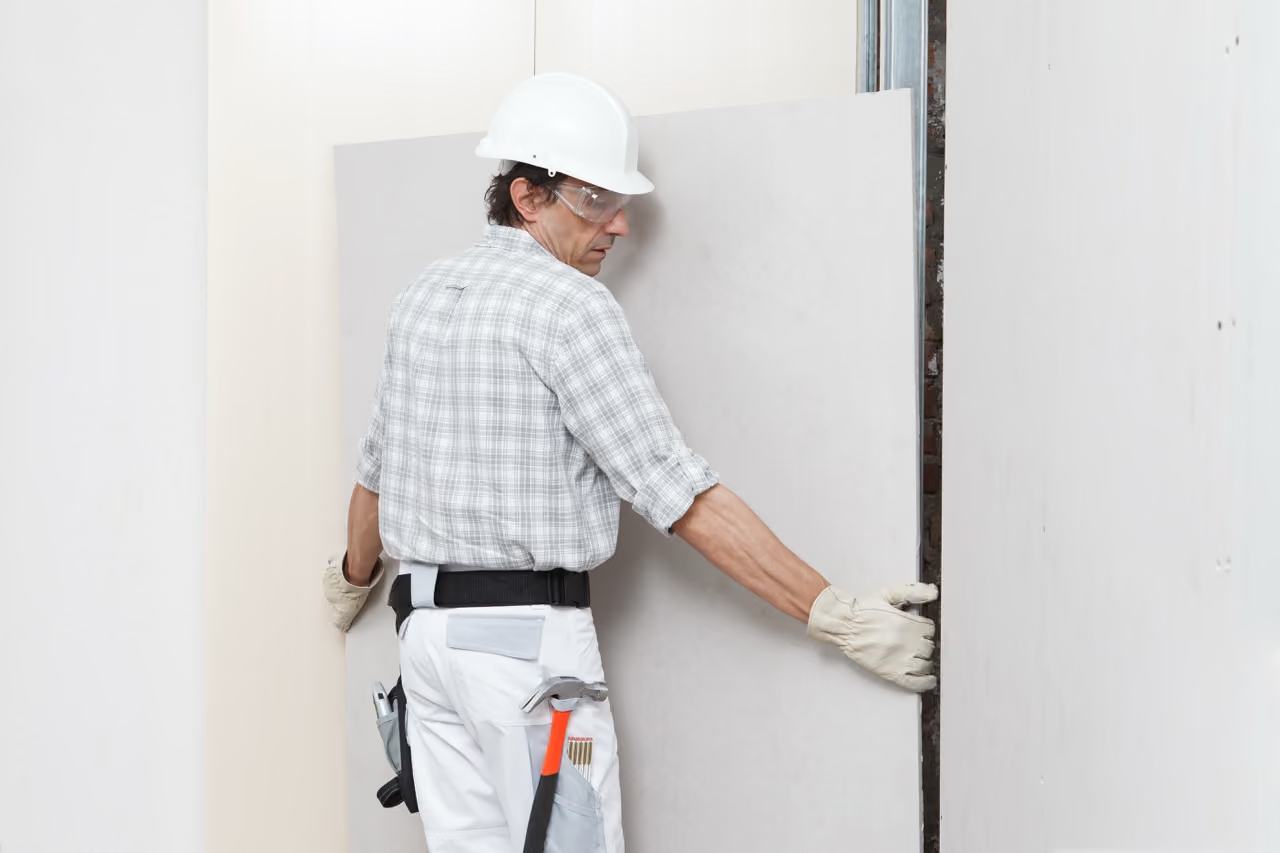
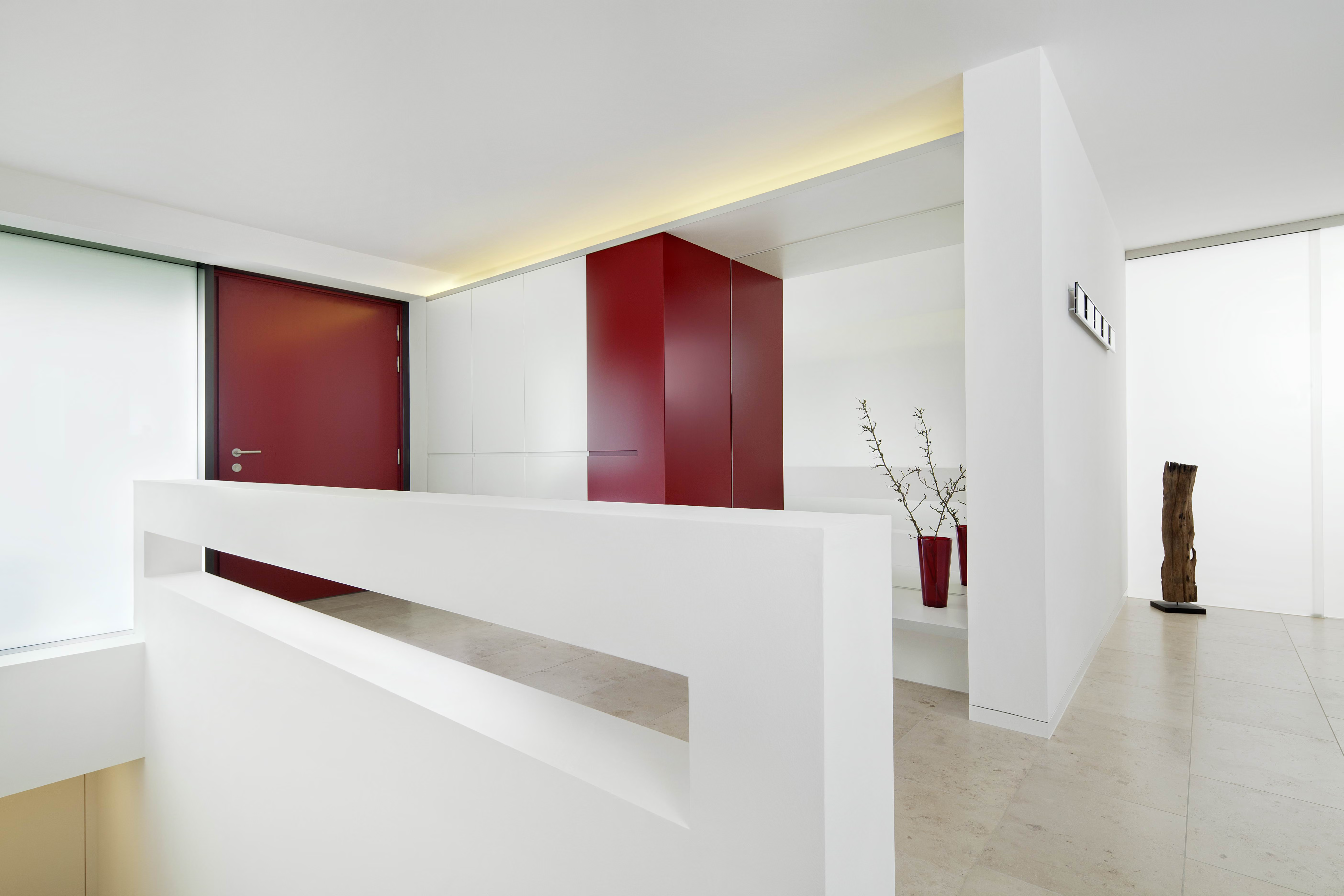
Gypsum is an indispensable mineral for the interiors of all buildings where people congregate, from homes, offices, schools and shops to factories and airports. It provides high levels of acoustic and thermal comfort, along with strength and fire resistance. Many modern interiors would not exist without the versatility of gypsum.
But gypsum has a very long history too. It has been used as plaster for construction and decoration for thousands of years:
Floor screed in building remains in Israel
An underground fresco in the Neolithic city settlement of Çatalhöyük, Anatolia (now modern Turkey)
Mortar in the Cheops Pyramid, Egypt
Gypsum is used in decorations and illuminated manuscripts as a pigment or preparatory layer.
Stucco decorations in the Moresque architecture, such as Granada's Alhambra palace or Sevilla's Real Alcázar
Ceiling of the Sistine Chapel, in Rome, Michelangelo paints his masterpiece on gypsum plaster
France's king Louis XIV mandates the plastering of façades and interior buildings in Paris, to protect them from fire
An American, Augustine Sackett, invents a machine to produce plasterboard - also known as gypsum board, wallboard, and drywall - from layers of paper and gypsum
The first plasterboard plant is built in the USA
Plasterboard manufacturing is improved by another American, Stephen Kelly. He patents a gypsum core with a layer of paper on each side. Modern plasterboard is born.
Modern plasterboard arrives in Europe
In Europe, the first modern gypsum plasterboard plant was built in the UK in Liverpool in 1917 and the second in London in 1926. In continental Europe, Latvia had the first factory, in Riga in 1938. But the real deployment of plasterboard in continental Europe as an industrialised method of construction took place after the Second World War. Dry construction was instrumental in speeding up Europe's reconstruction after the war.
Gypsum beyond plaster
In addition to plaster and plasterboard, as well as gypsum blocks, gypsum can also be used:
- as a filler and fire retardant in plastic products
- in Portland cement (the mostly widely used type of cement), and in special cement products
- as a plant fertiliser
- as a modelling material for dentistry
- in plaster bandages to set broken bones
- even in food, where calcium sulphate can be used as a firming agent, dough conditioner, pH regulator or dietary calcium supplement, among others to prepare tofu or beer
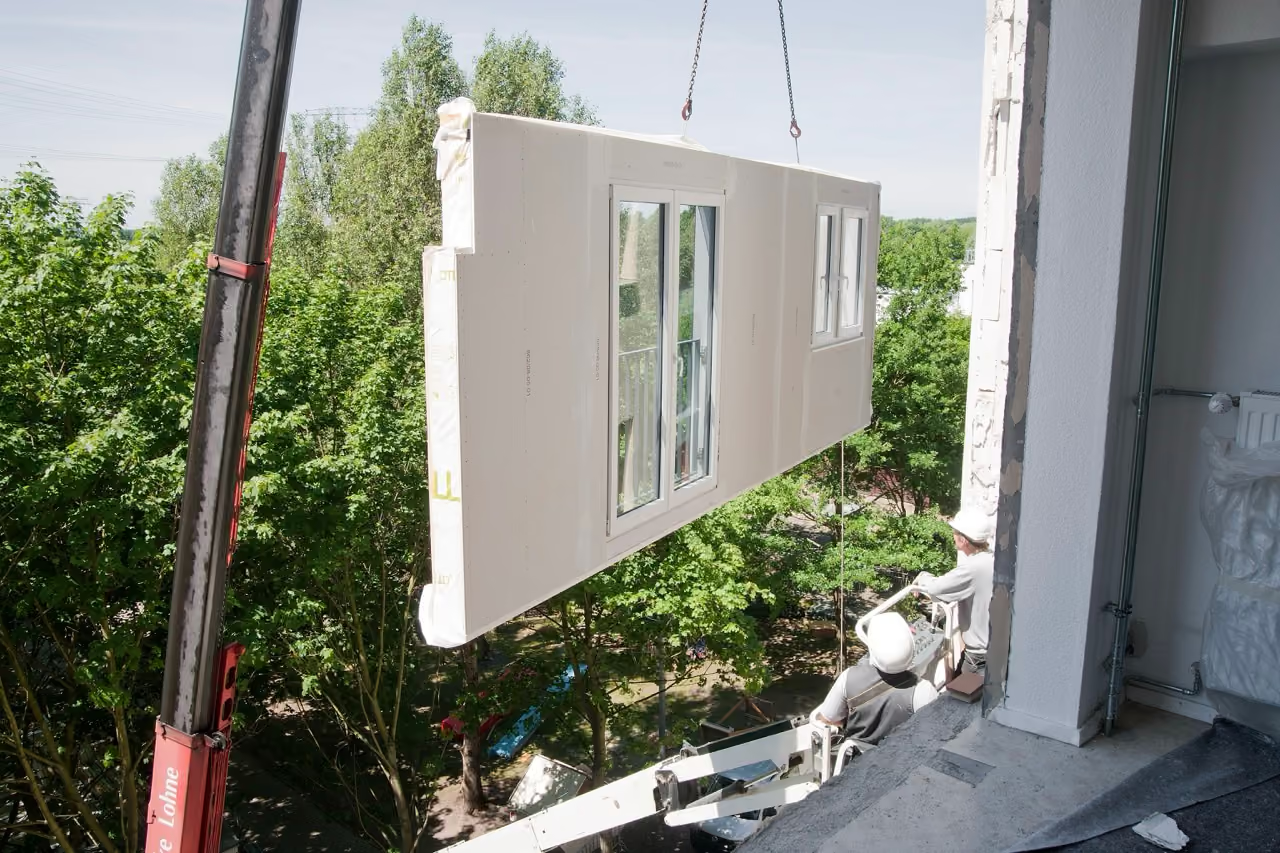
Gypsum in buildings
Gypsum is used for all types of buildings, both residential and non-residential, and for refurbishment as well as new construction. Gypsum can be used for very beautiful, contemporary designs and structures, as well as for simple everyday items and processes.
1.5 billion m² of gypsum plasterboard is produced and applied to European interior surfaces every year. Besides, around 8 million tonnes of gypsum-based plasters and other products such as gypsum blocks are manufactured annually.
Gypsum products are particularly suitable for modern methods of construction, such as offsite, prefabricated or modular construction. The gypsum industry is therefore best placed to support the faster delivery of affordable housing and contribute to sustainable construction through energy renovations or repurposing of existing buildings, as well as urban densification through the addition of new housing units on top of existing buildings ("vertical extension").
The variety of gypsum products includes:
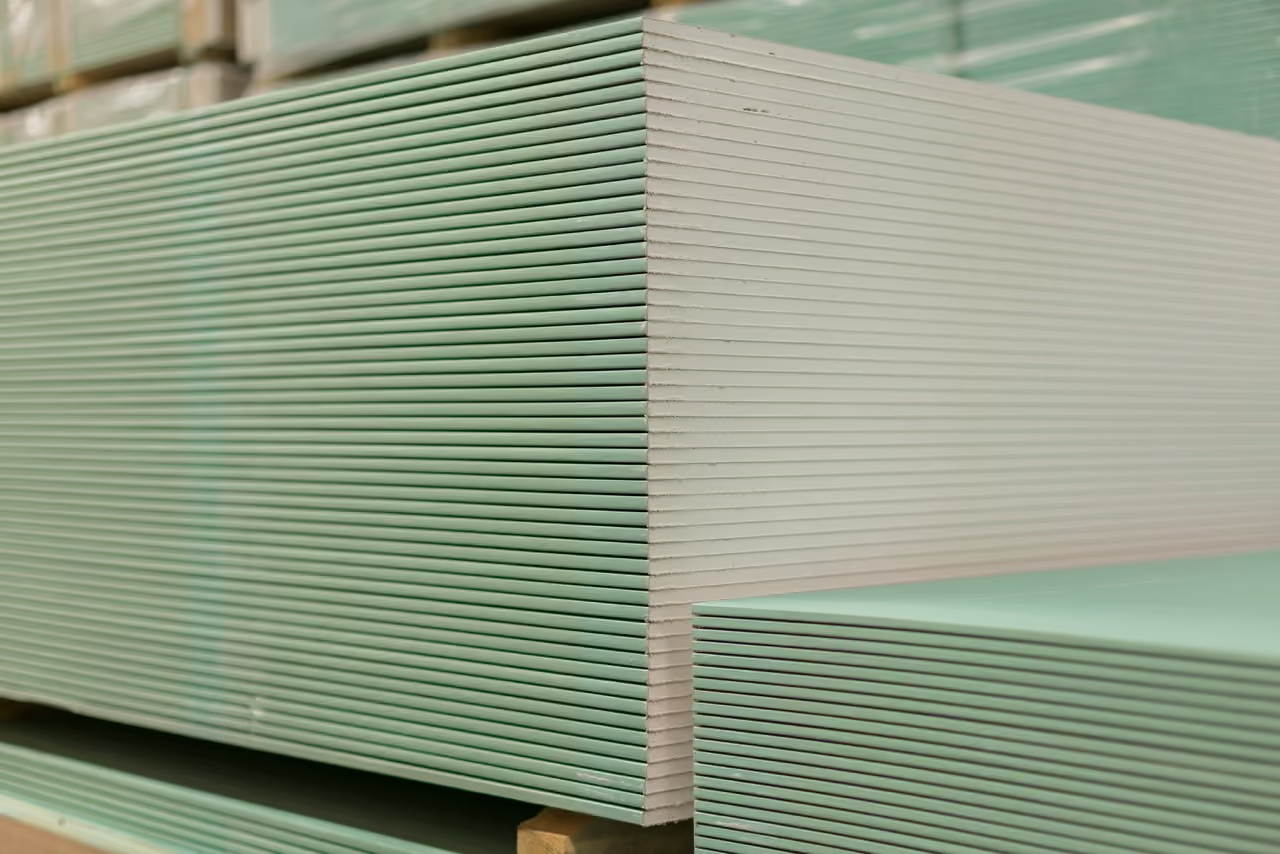
Plasterboard
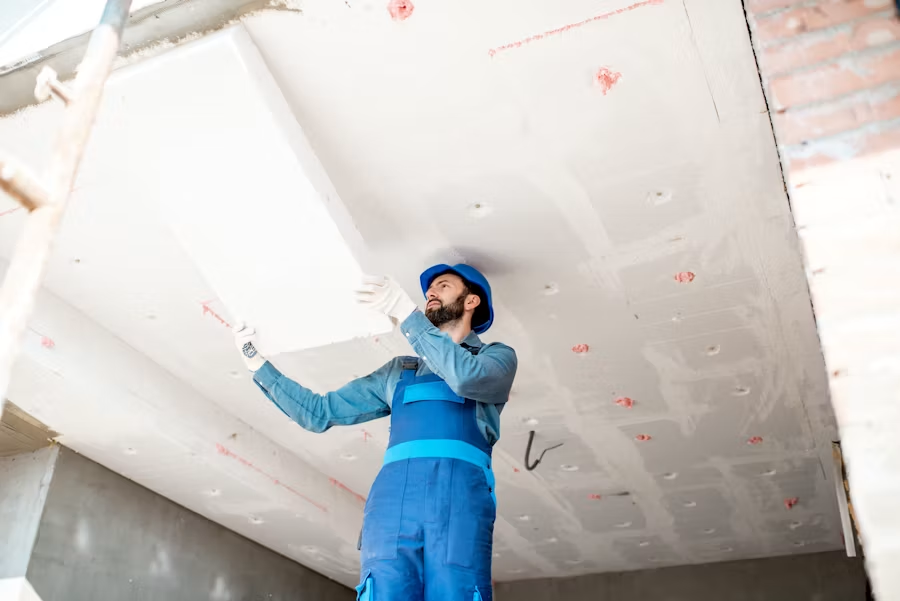
It is used for partitions and the lining of walls, ceilings, roofs and floors. Plasterboard can be tailored to meet specific requirements, is non-combustible and has the ability to resist shocks and humidity. Gypsum is a vital ingredient in modern plasterboard.
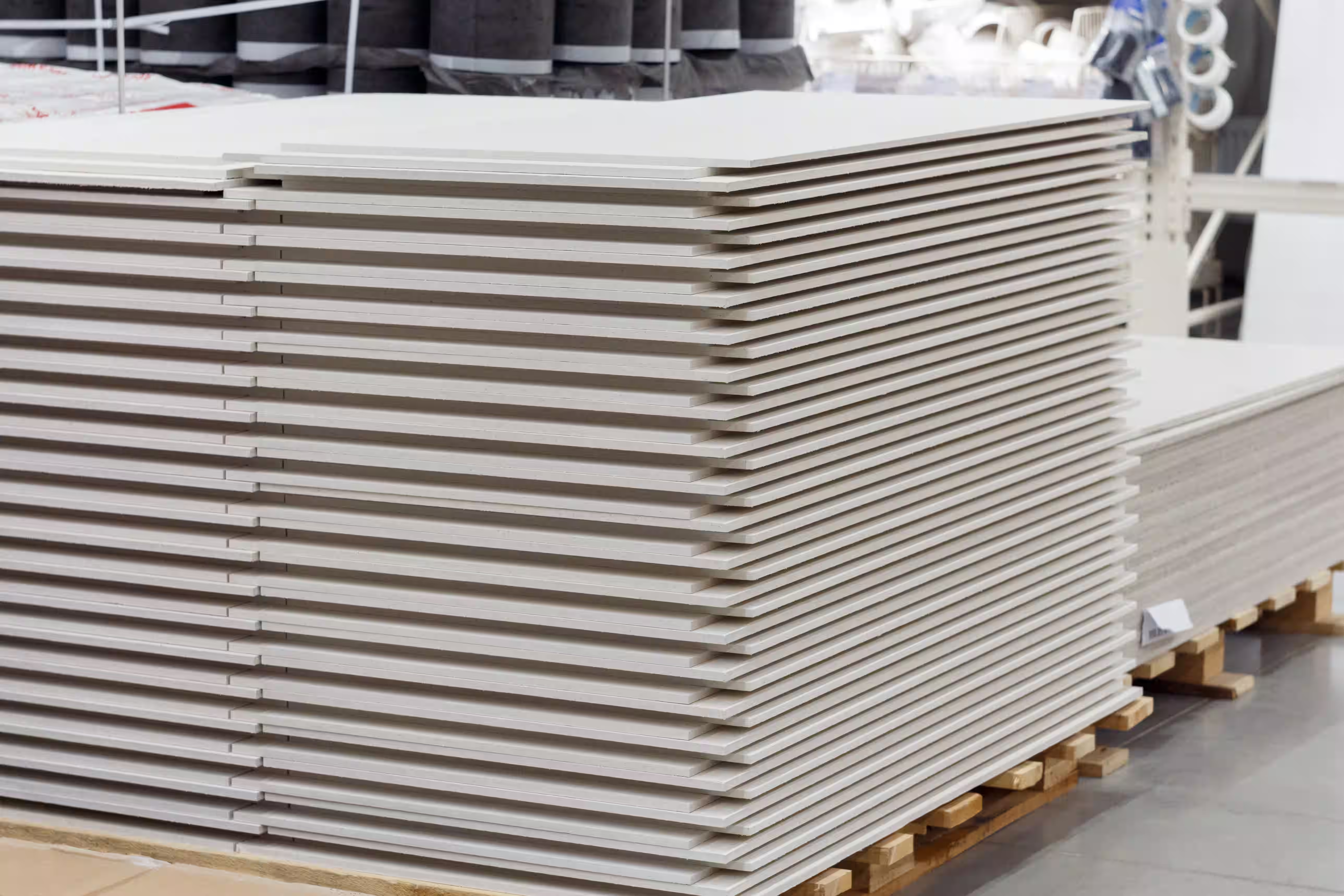
Fibreboard
Gypsum fibreboard is used for partitions and the lining of walls, ceilings, roofs and floors. Standard gypsum fibreboard is soundproof and resists shocks and humidity.
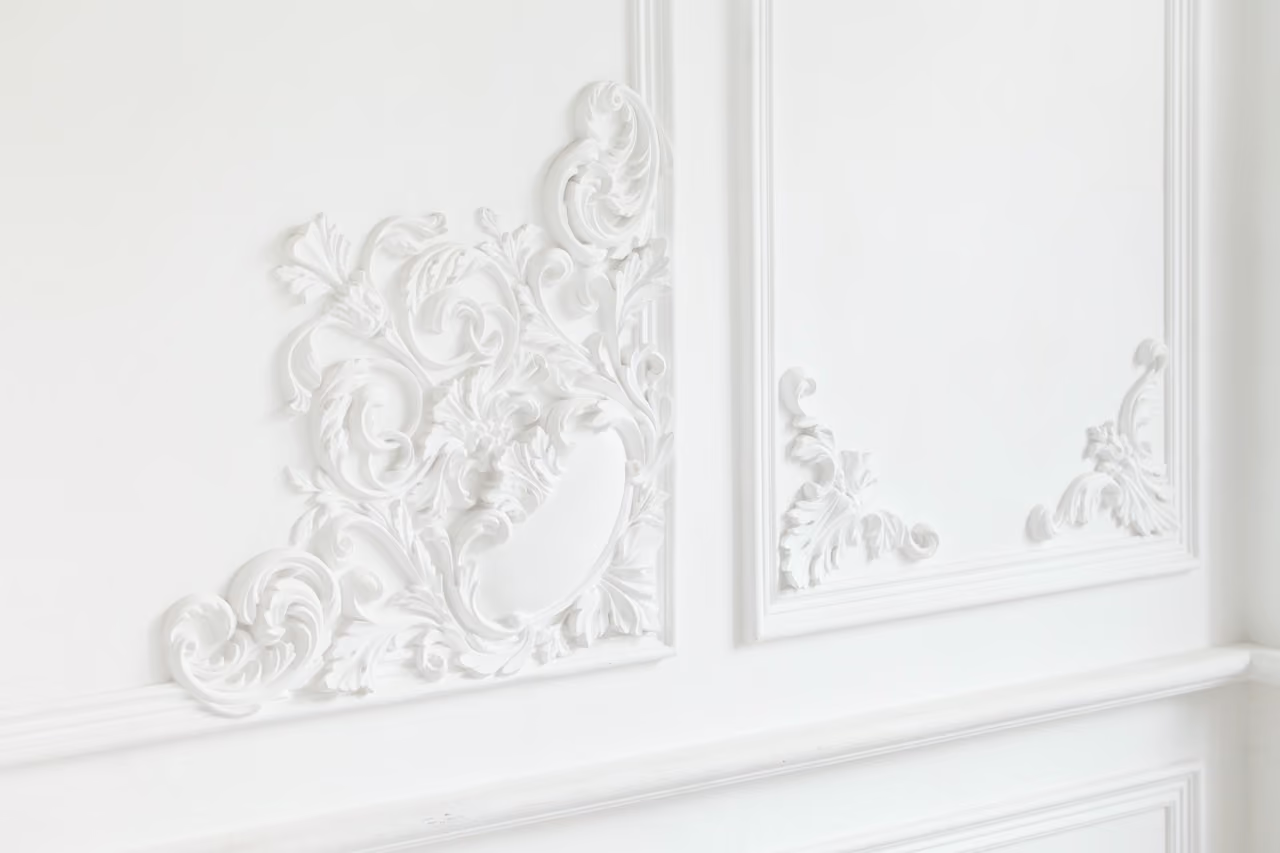
Decorative plaster
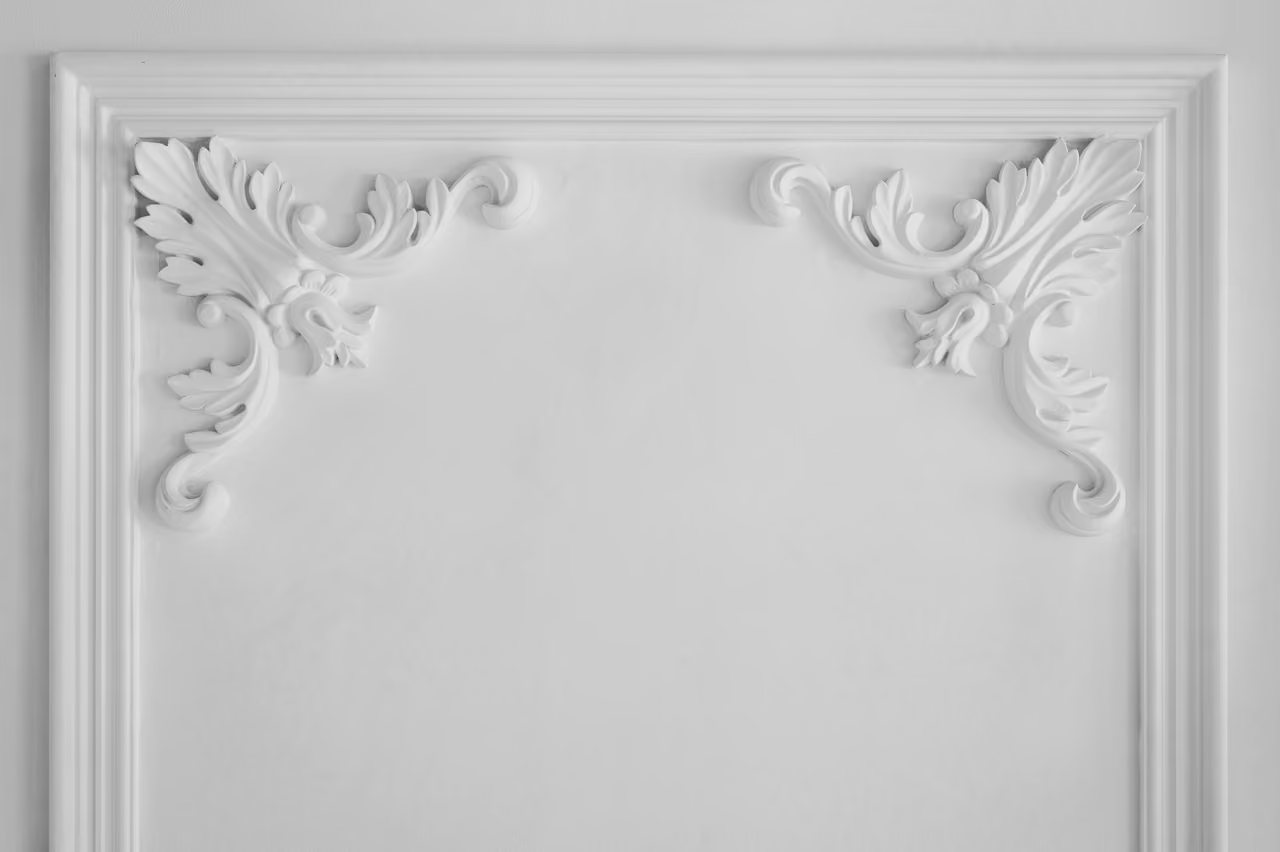
Dehydrated plaster powder, mixed with water, is used to line brick and block walls and ceilings, as well as for elaborate and beautiful decorations. This gypsum plaster is widely known as "plaster of Paris" and has been used by craftsmen for thousands of years to create decorative mouldings and models.
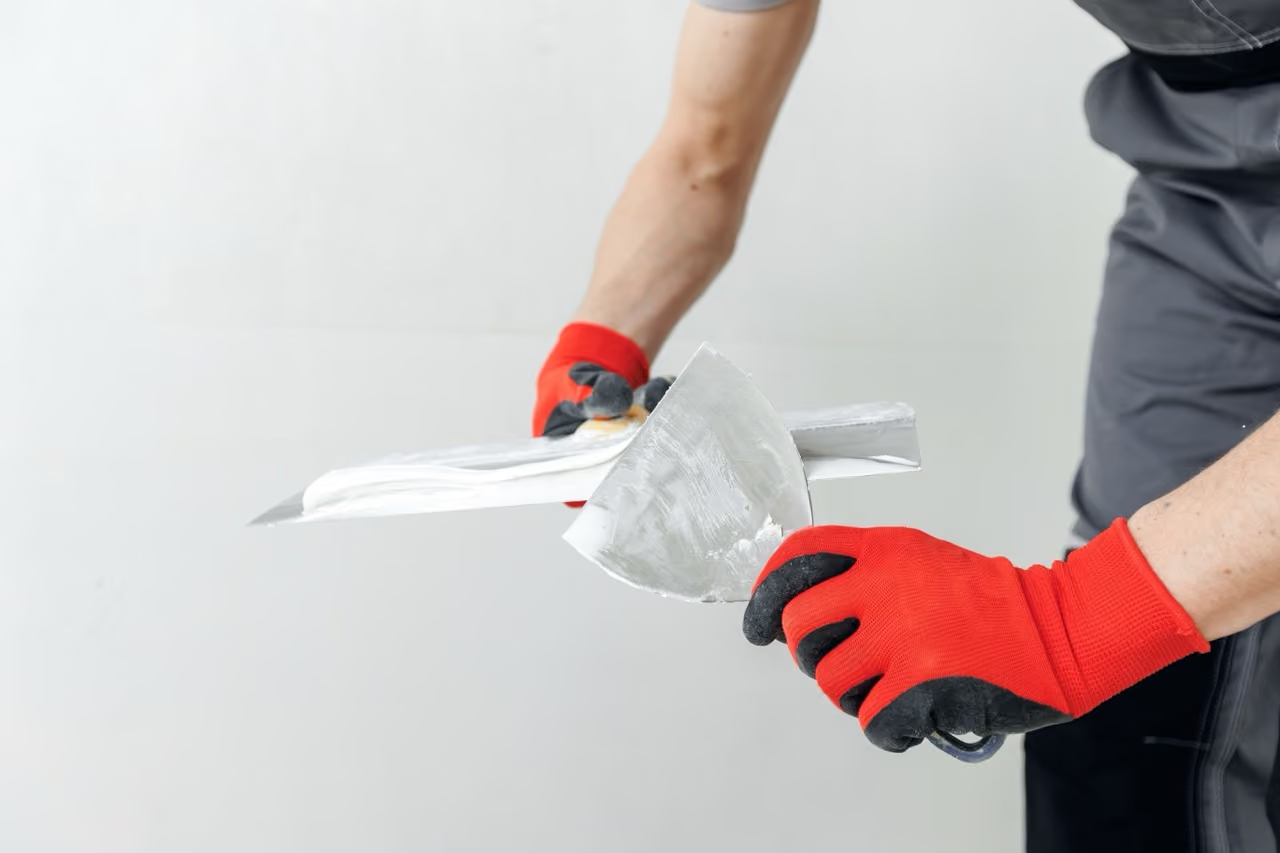
Building plaster
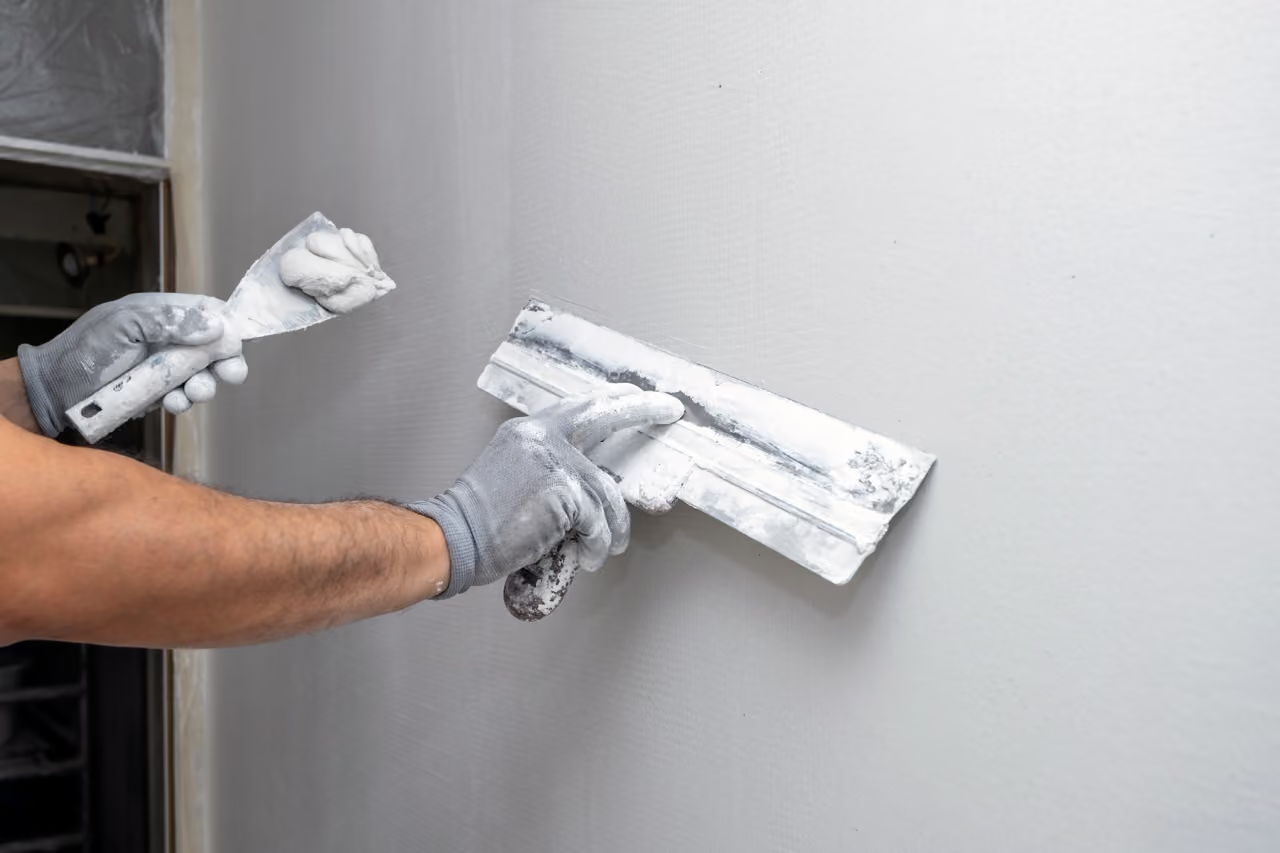
Gypsum plaster is widely used for walls and ceilings. It is a high performing and easy to apply material with a quick setting time, which facilitates the building’s construction.
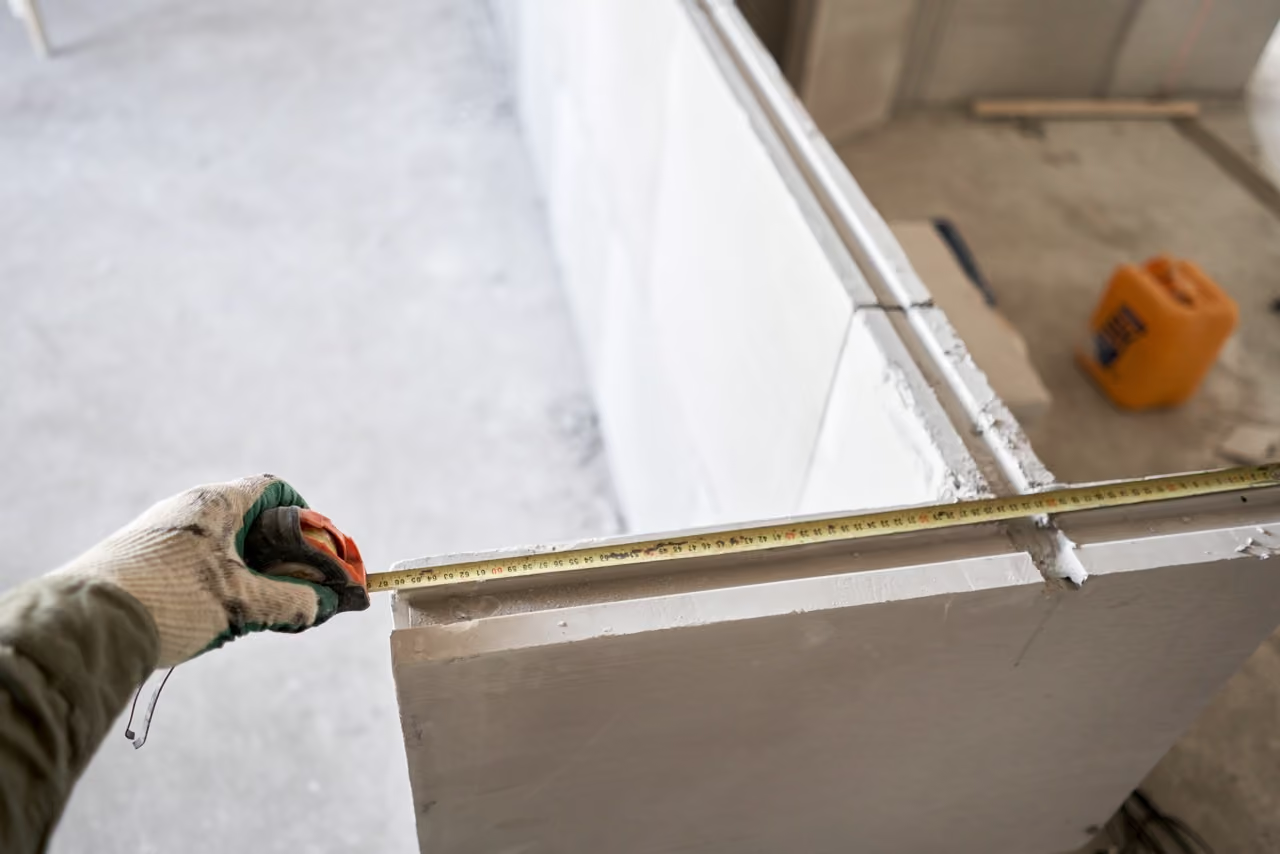
Gypsum (or plaster) block
Gypsum blocks are used for indoor partitions and gypsum tiles for ceilings. Gypsum blocks are easy to install quickly. They are used in particular for walls that need to provide a high level of passive fire protection.
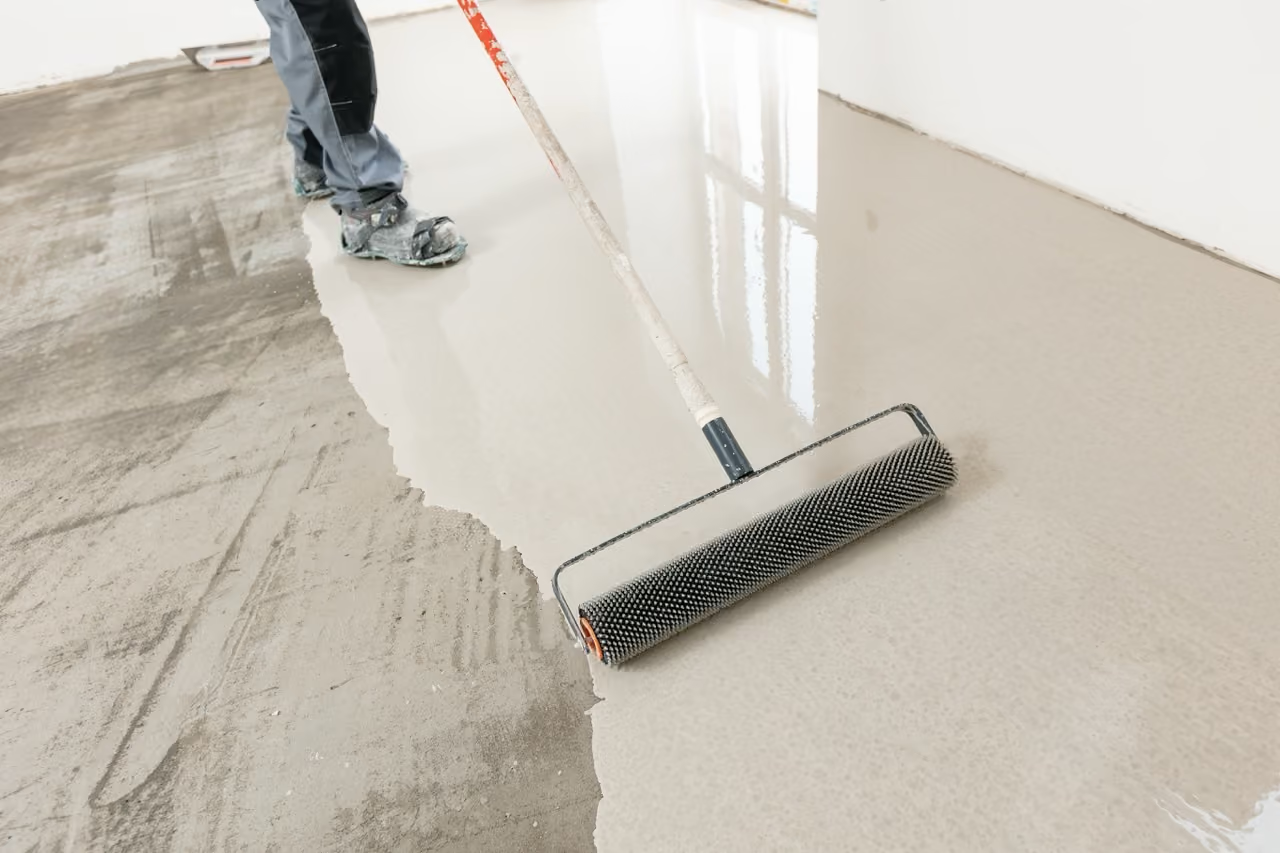
Self-levelling screed
Anhydrite is a white mineral which, when combined with water, can be transformed to gypsum and used to level floors. These gypsum-based “self-levelling floor screeds” offer a quicker way to install smooth finished surfaces.
Did you know?
Gypsum is non-combustible and contains crystal water. These superior qualities are used in building elements that prevent a fire from spreading for up to four hours.
Gypsum provides sound insulation. Gypsum acoustic boards, used as part of insulation materials, provide a sound barrier between rooms and spaces.
Gypsum has a low thermal conductivity. It helps to regulate indoor temperatures keeping rooms warm in winter and cool in summer.
Gypsum can improve the impact resistance of areas that need strong walls, such as schools, public buildings and hospital corridors.
Gypsum blocks and plasterboard are easy to install and to disassemble. At the end of use, they can be completely recycled into new gypsum products.