.jpg)
Late Summer Reception: industry representatives, environmental organisations andpolicymakers discuss how to improve the implementation of the Nature Directives
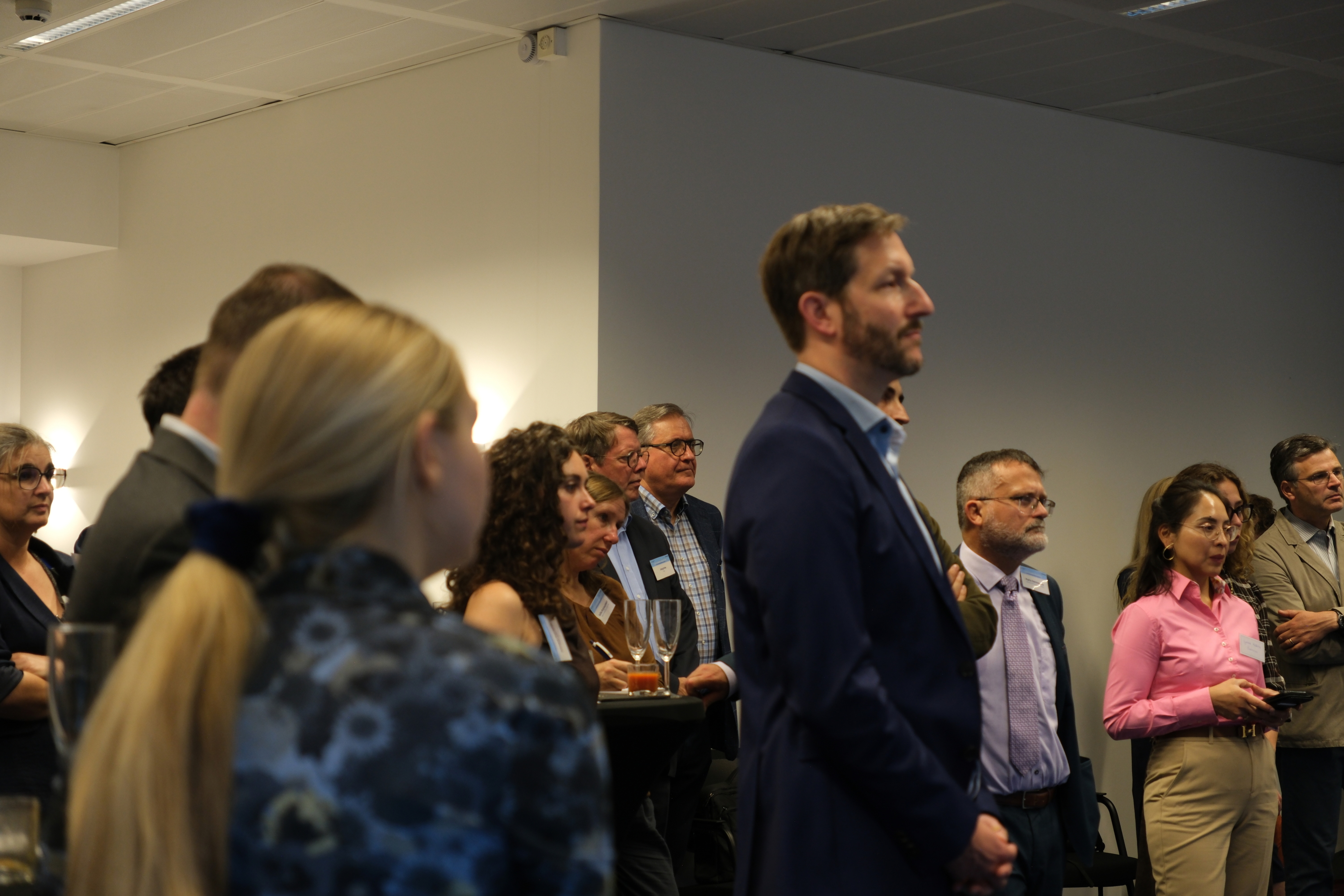
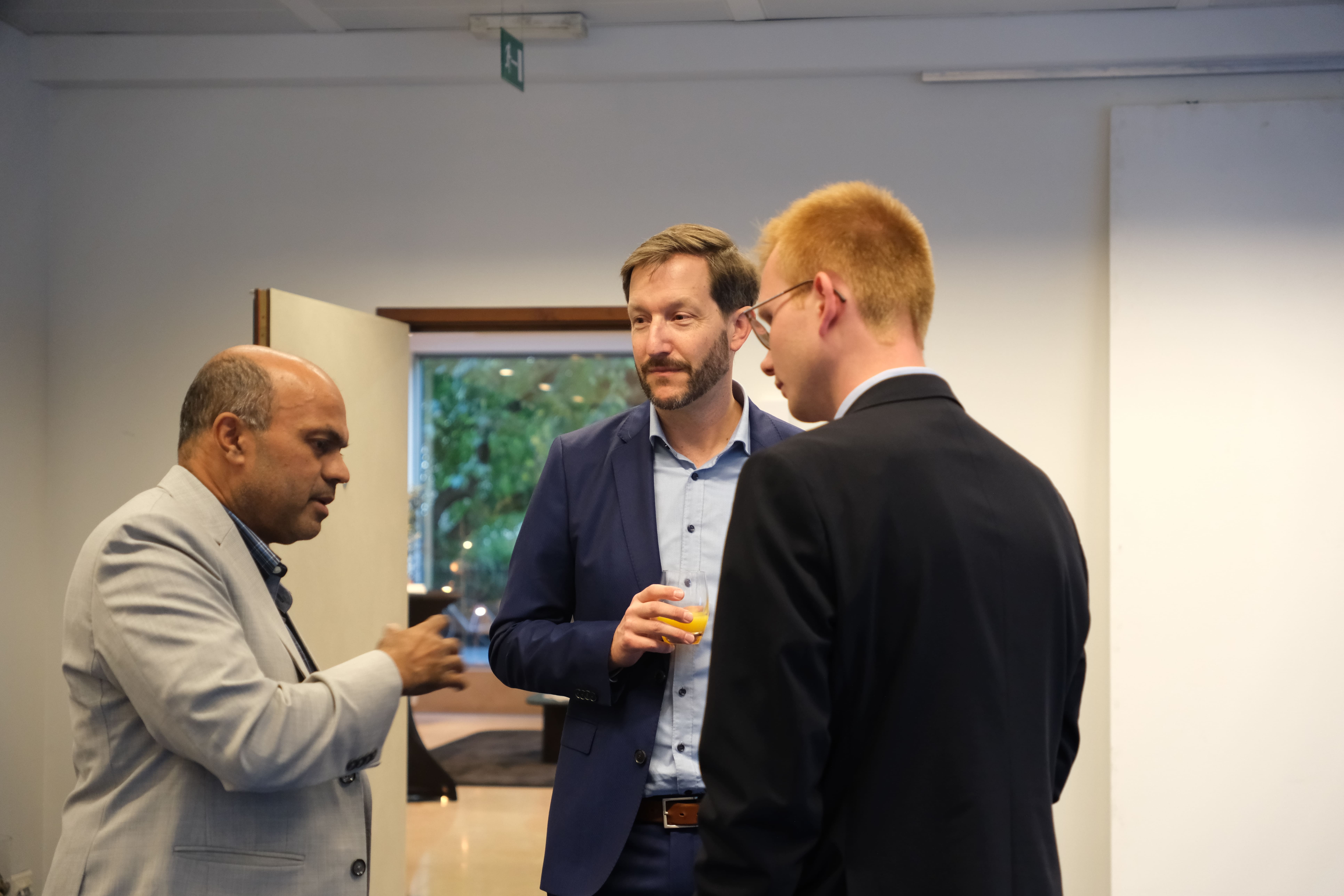
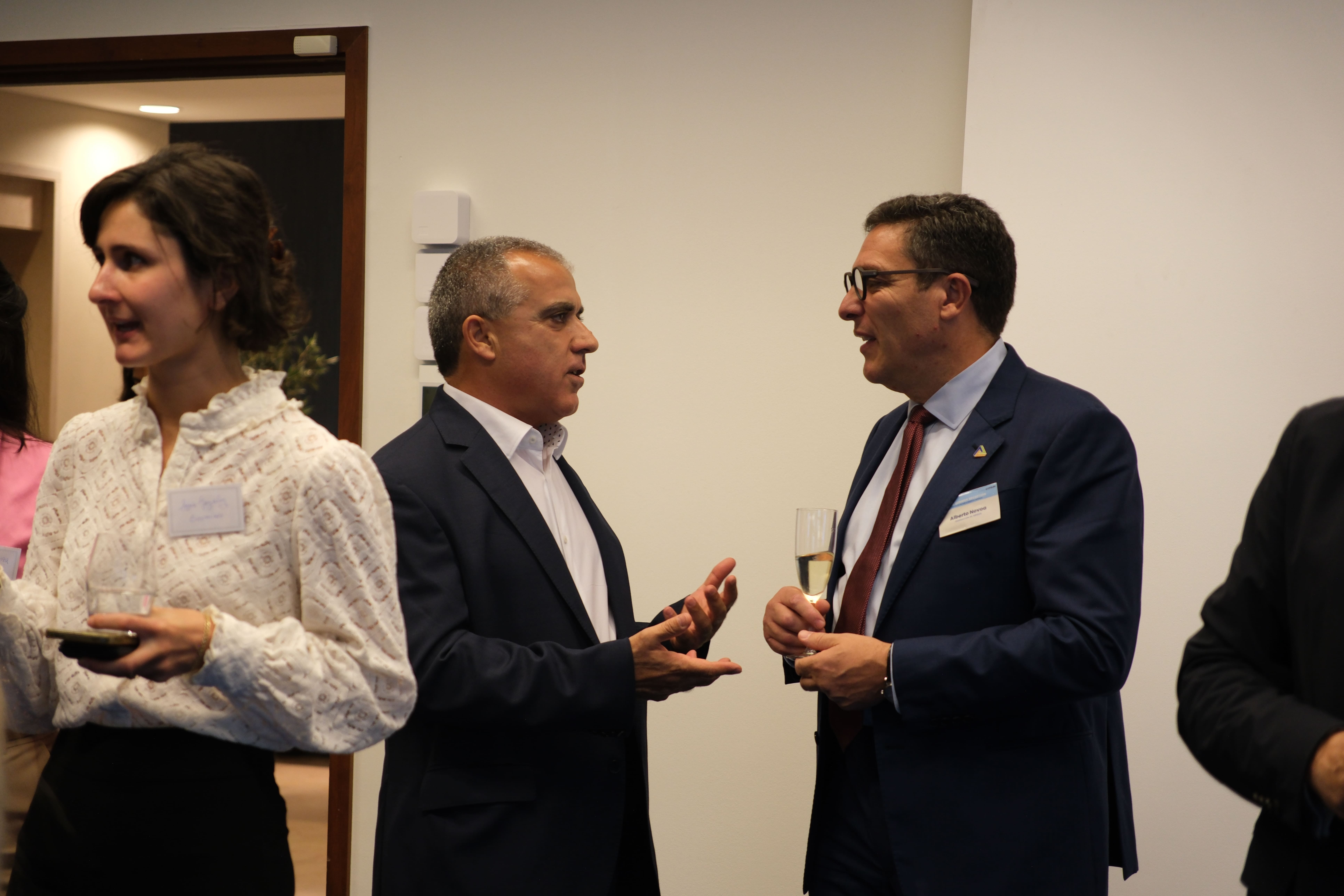
On 23 September 2026, Eurogypsum and Aggregates Europe hosted their Late Summer Reception on "Protected Nature & Essential Minerals" in Brussels. The event brought together participants from the raw materials andconstruction sectors, European institutions and environmental organisations for an open dialogue on the future of the EU Birds and Habitats Directives and their impact on raw material extraction in Europe.
Timely debate ahead of the Commission's stress test report
The debate took place at a decisive moment: the European Commission is currently conducting a stress test of the EU Birds and Habitats Directives as part of its wider simplification agenda, with the final report expected at the end of 2026. The stress test aims to assess whether the directives remain fit to achieve their objectives in a cost-efficient way, including by identifying opportunities to reduce unnecessary administrative burden.
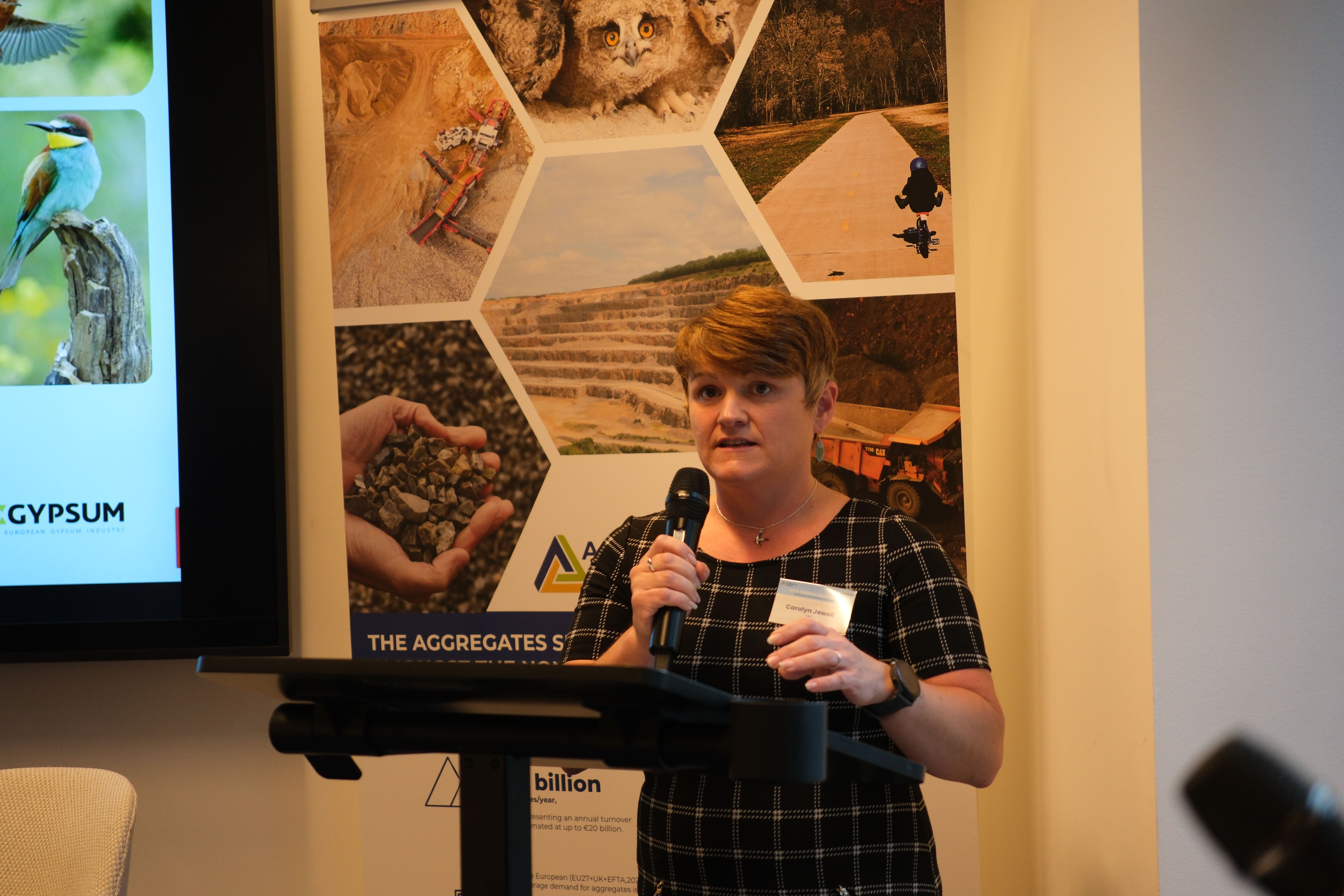
Opening the evening, Antonis Antoniou Latouros, President of Aggregates Europe,welcomed participants. Carolyn Jewell, Member of the Aggregates Europe Biodiversity Task Force, set the scene: With the Nature Directives, adopted in 1979 (Birds) and 1992 (Habitats), the European Union adopted forward-looking policies aiming to protect wildlife and ecosystems. To this day, the nature protection objectives remain up to date. Biodiversity loss has continued, and the directives’ implementation has been inconsistent across and within Member States. In practice, the implementation of the directives creates an administrative burden and challenges to the extractive industries without leading to enhanced nature protection. It is often difficult to obtain permits in or near Natura 2000 areas, not because projects fail to comply with protection rules or compensation and mitigation measures, but because of unclear provisions and a general feeling that human activities are incompatible with protected areas. A key feature of quarrying, temporary nature, is not recognised in the directives.
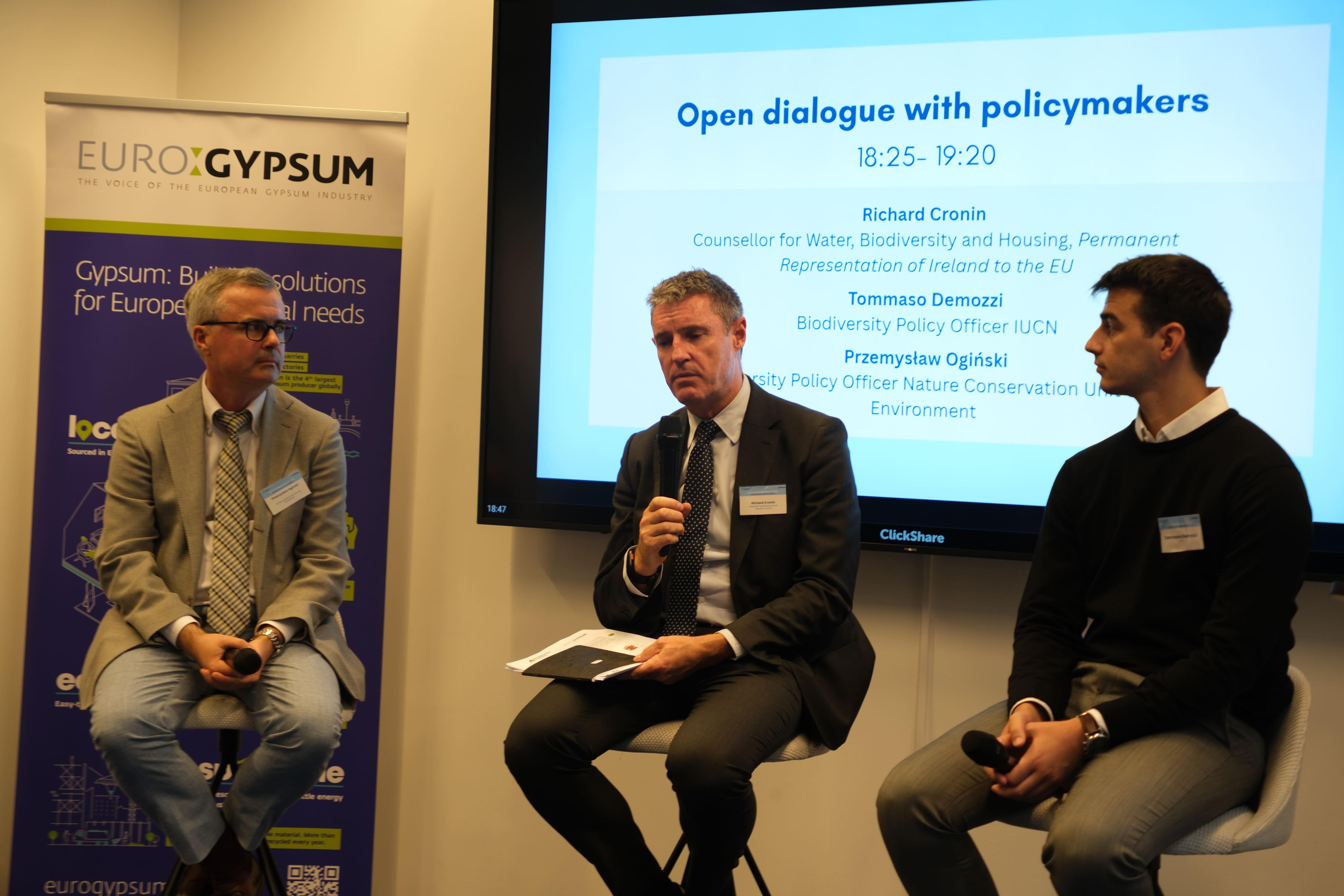
An open dialogue between policymakers, NGOs and industry
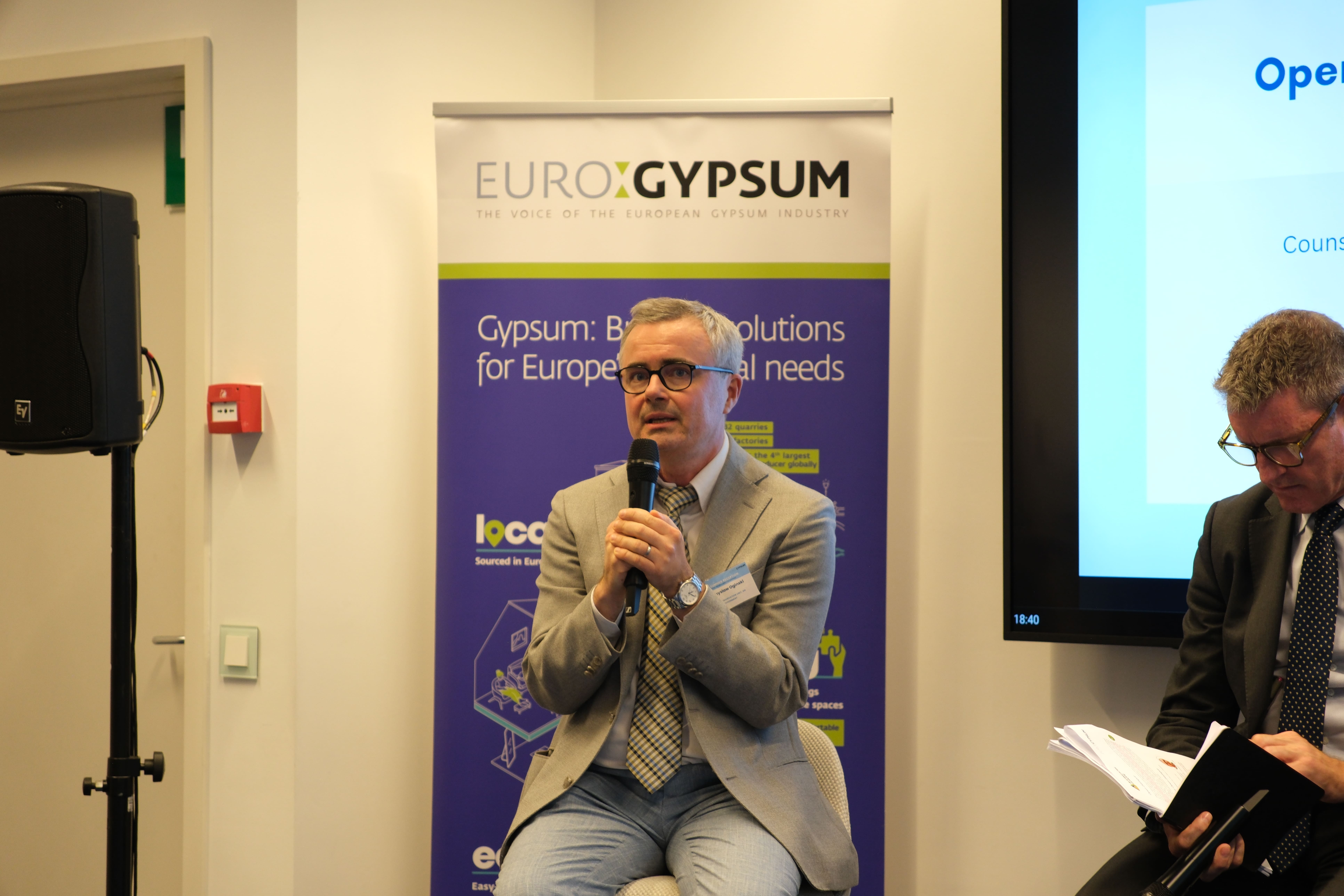
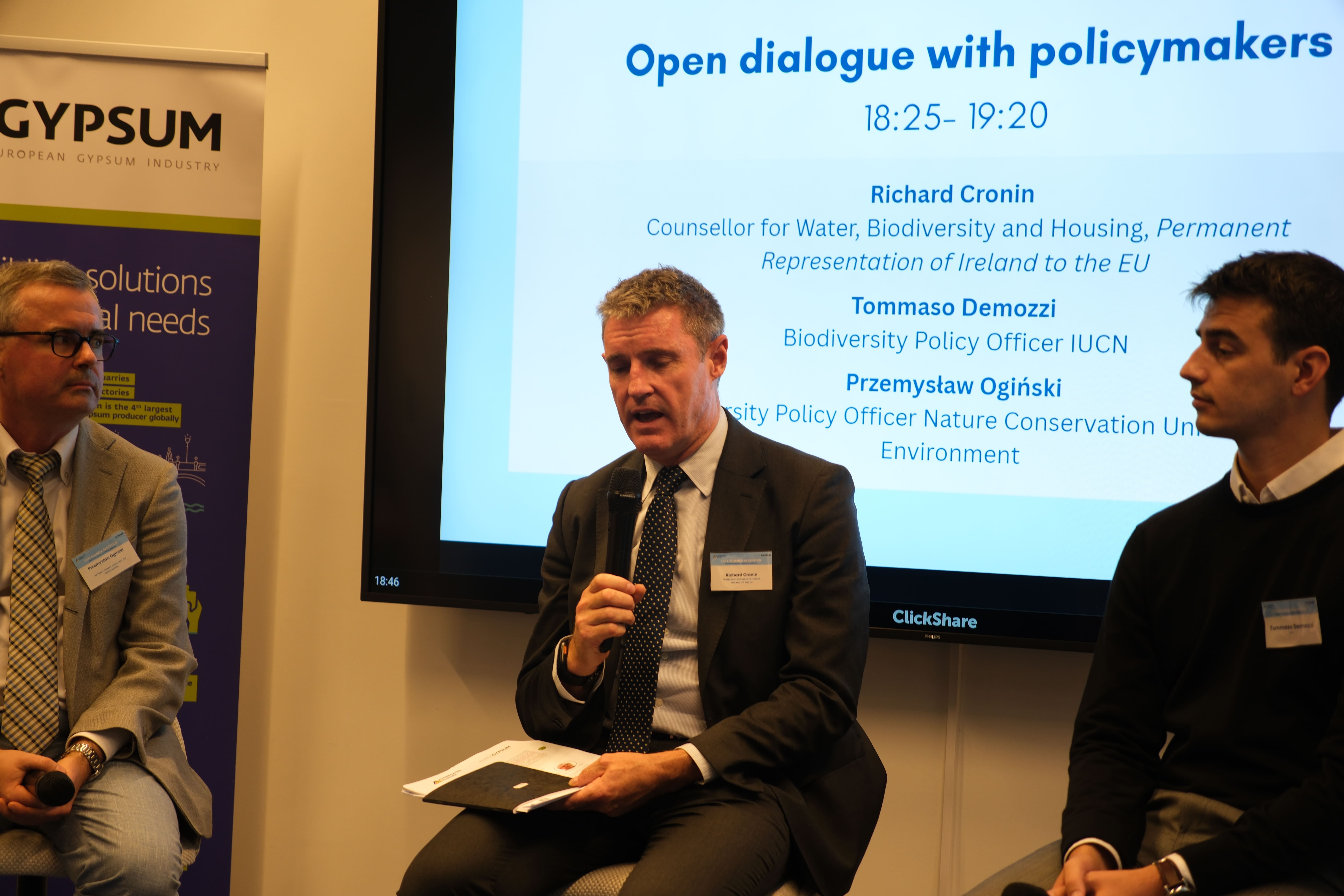
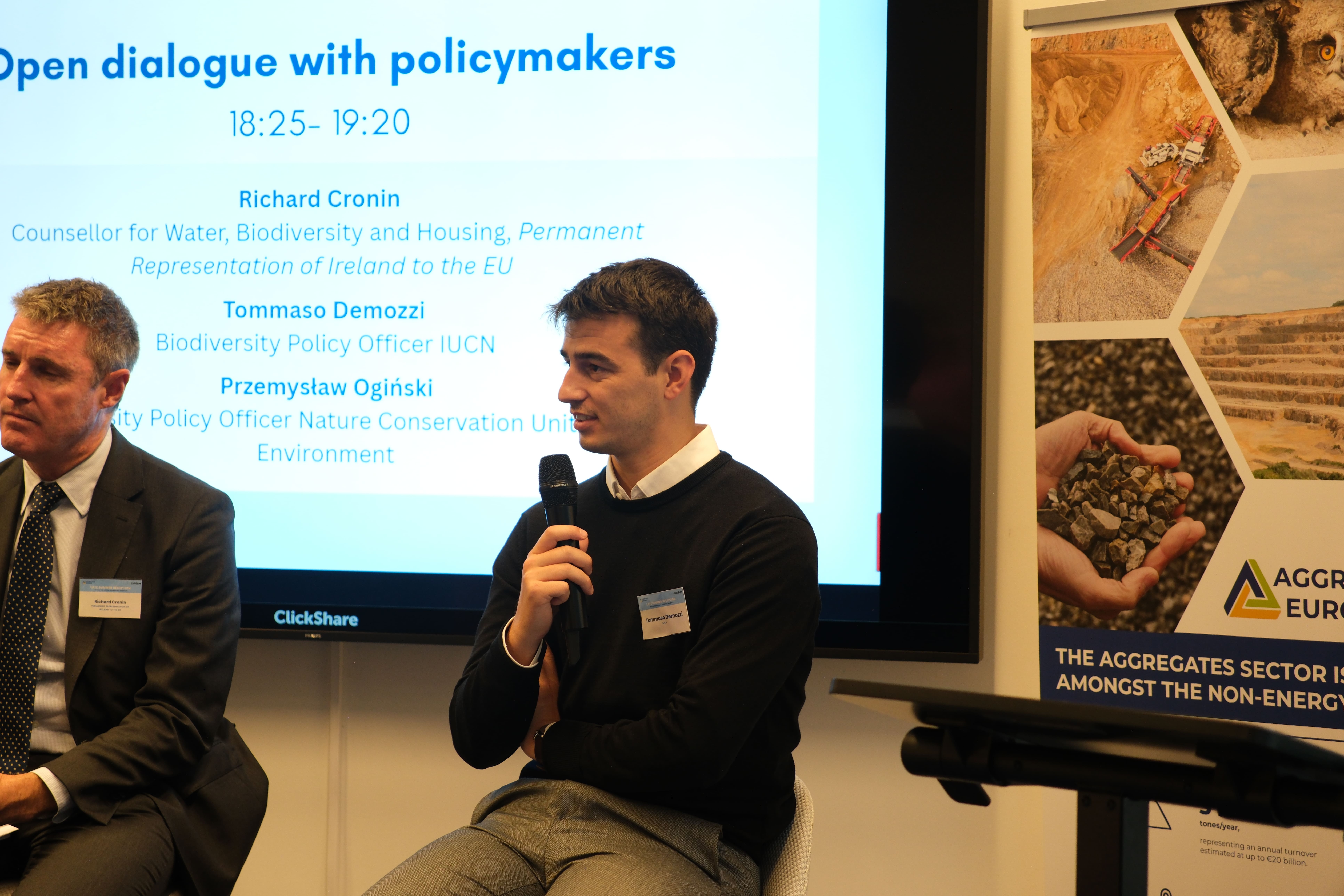
The policy dialogue, moderated by Dirk Fincke, Secretary General of Aggregates Europe,and Tristan Suffys, Secretary General of Eurogypsum, featured Przemysław Ogiński, Biodiversity Policy Officer at DG Environment (European Commission), Richard Cronin, Counsellor at the Permanent Representation of Ireland to theEU, speaking in the context of the Irish Presidency of the Council of the EU, and Tommaso Demozzi, Biodiversity Officer at IUCN.
The panel agreed on a central point: the objectives of the directives are right, but their implementation needs to improve.
- Przemysław Ogiński (European Commission) assessed the mixed results of the Nature Directives: Despite the regulations, biodiversity loss continues and a large share of European habitats remain in poor condition. Yet, with 26% of its land area being protected, Europe can count on the largest network of protected areas in the world. On permitting, the Commission stressed that temporary nature should be recognised, and authorities educated, summing up its approach as: "We don't want paperwork, we want nature protection."
- Richard Cronin (Irish Permanent Representation to the EU) emphasised that nature protection is not a zero-sum game: Industry models depend on functioning ecosystems, and protecting nature is something everyone can benefit from. He stressed that some human activities, like quarrying, can coexist with nature protection. Permitting delays for quarry projects are a sector-specific challenge involving many different authorities in each Member State. The authorities need to assess highly complex documents such asenvironmental impact assessments. He suggested exploring EU-level guidance where it makes sense, rather than EU permitting rules, and noted that if tacit approvals were introduced, timelines would still have to allow sufficient time to review environmental impact assessments properly.
- Tommaso Demozzi (IUCN) underlined tat IUCN approaches the topic on the basis of science: nature protection is about saving ecosystems and the services we depend on. Despite their limited success, the directives remain fit for purpose and their objectives are even more relevant than before; implementation is the problem. He called on industry leaders to help implement nature protection, to include civil society in the process and to use tools such as the IUCN STAR metric to assess the potential reduction in species global extinction risk that could be achieved through conservation action and restoration.
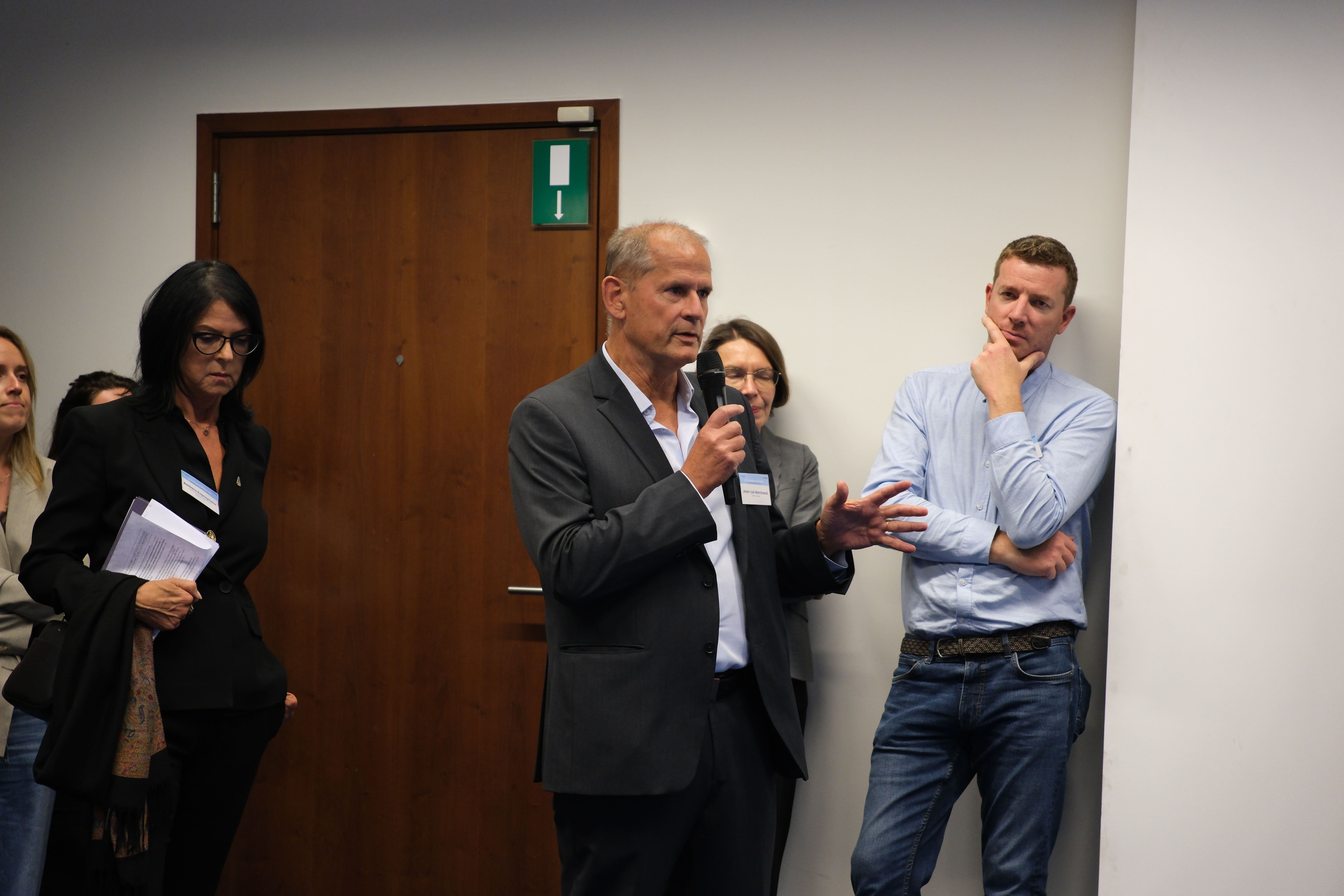
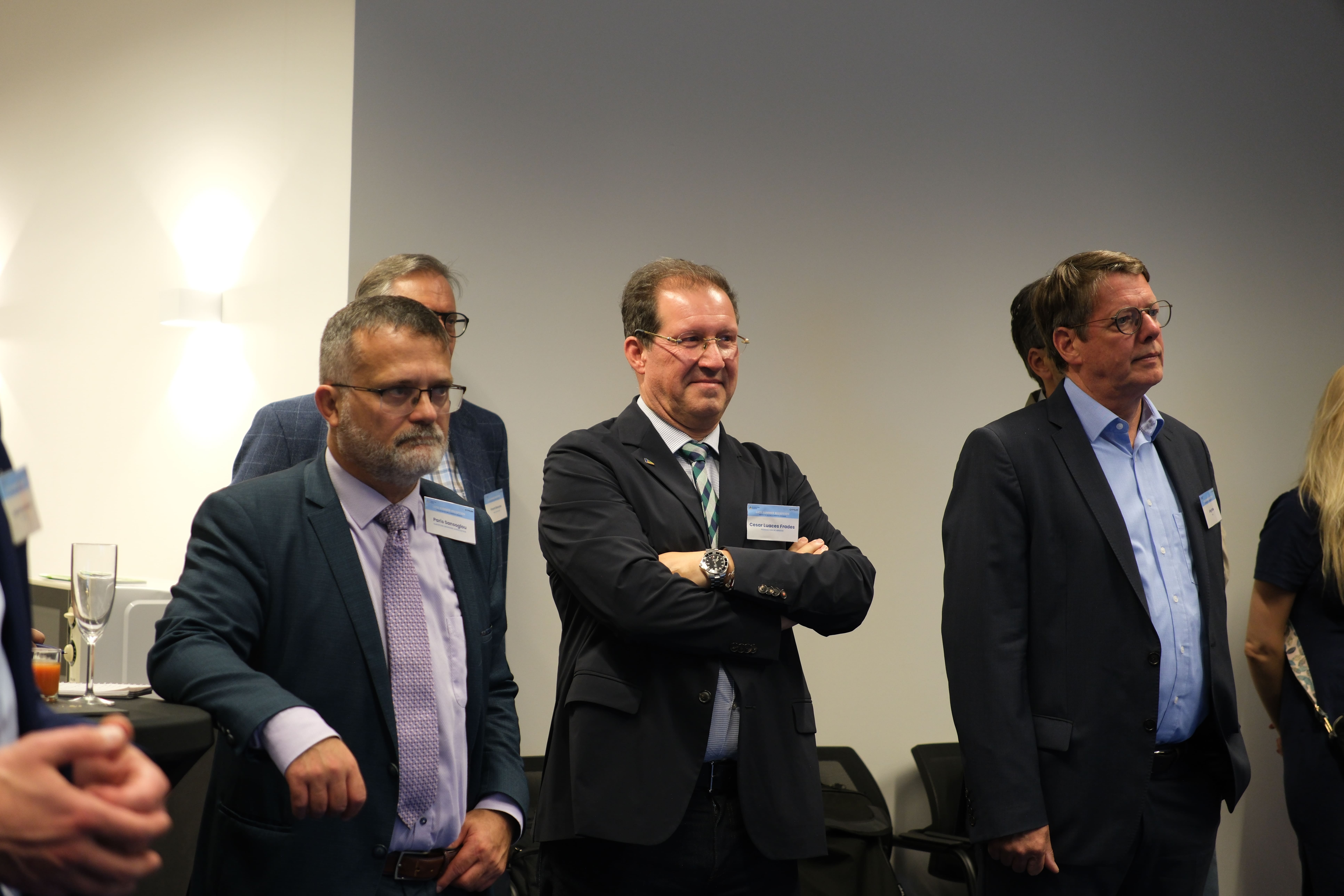
In the discussion, participants from the audience confirmed that opening a quarry, or even extending an existing one, in or near a Natura 2000 area is often impossible in practice, despite the projects being fully compliant with nature protection requirements. The Commission acknowledged that quarrying and mineral extraction are not the biggest issue for nature, and that European and national laws are accumulating rather than simplifying. The audience suggested the possibility of a differentiated permitting approach for different types of mineral extraction based on their environmental impact.
A call for action: cooperation is key
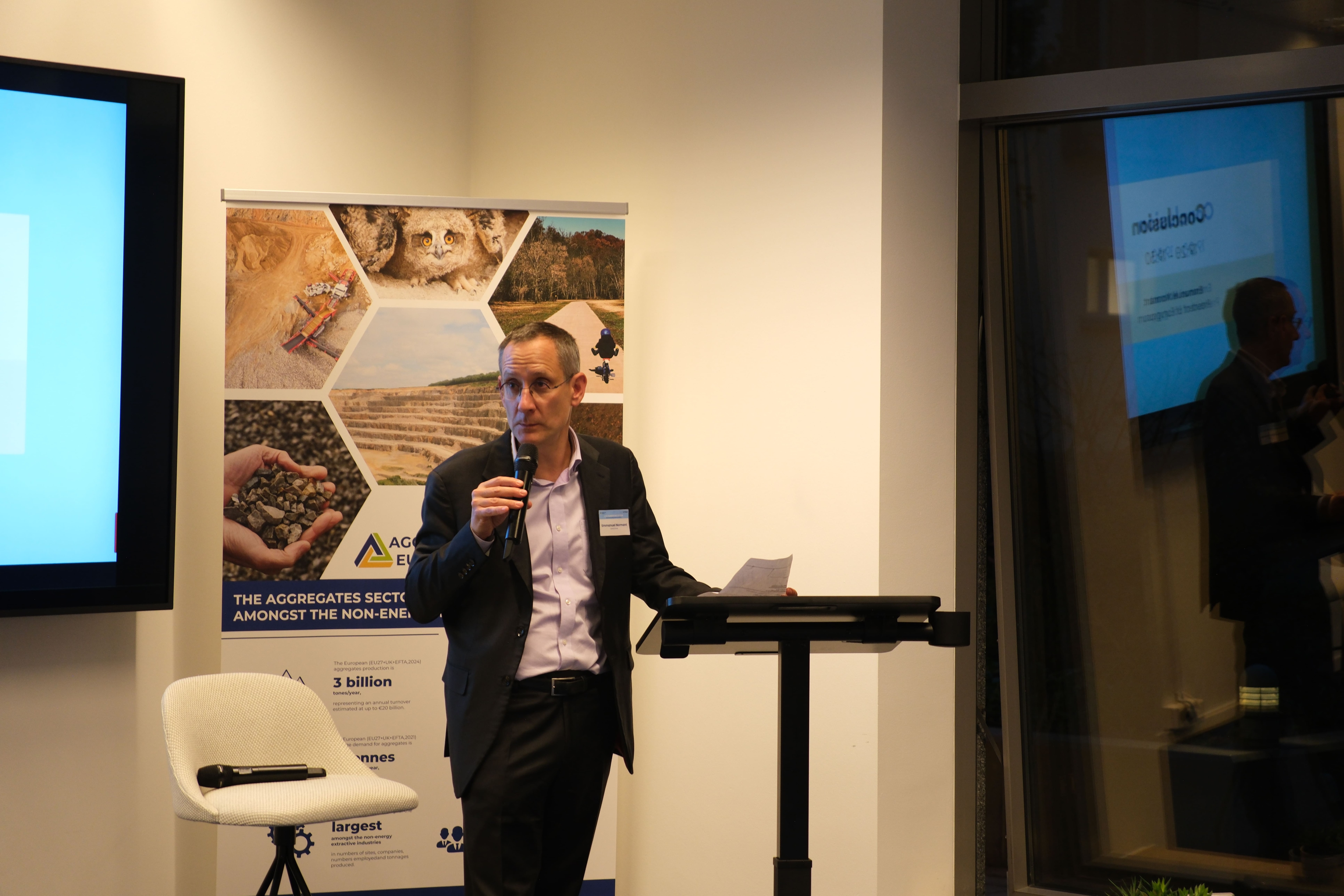
Closing the evening, Emmanuel Normant, President of Eurogypsum, issued a call for action: biodiversity is a shared responsibility, and implementation of the directives must be improved together. The European aggregates and gypsum sectors support the objectives of the directives. The challenge lies in their implementation on the national and regional levels. Beyond environmental and scientific expertise,success requires early involvement of all project stakeholders including local communities, NGOs, permitting authorities and industry.
The European gypsum and aggregates industries remain committed to nature protection and biodiversity enhancement, going beyond compliance, as demonstrated by the Code of Conduct on Extractive Species Protection, developed jointly with BirdLife Europe and endorsed by the European Commission.
Eurogypsum and Aggregates Europe will continue to follow the stress test process closely, including the upcoming implementation dialogue in November, the discussion in the Member States and the final report expected at the end of 2026.
For moreinformation, contact the Eurogypsum Secretariat: secretariat@eurogypsum.org
.jpg)