
.jpg)
Behind the scenes at Knauf and VG-ORTH
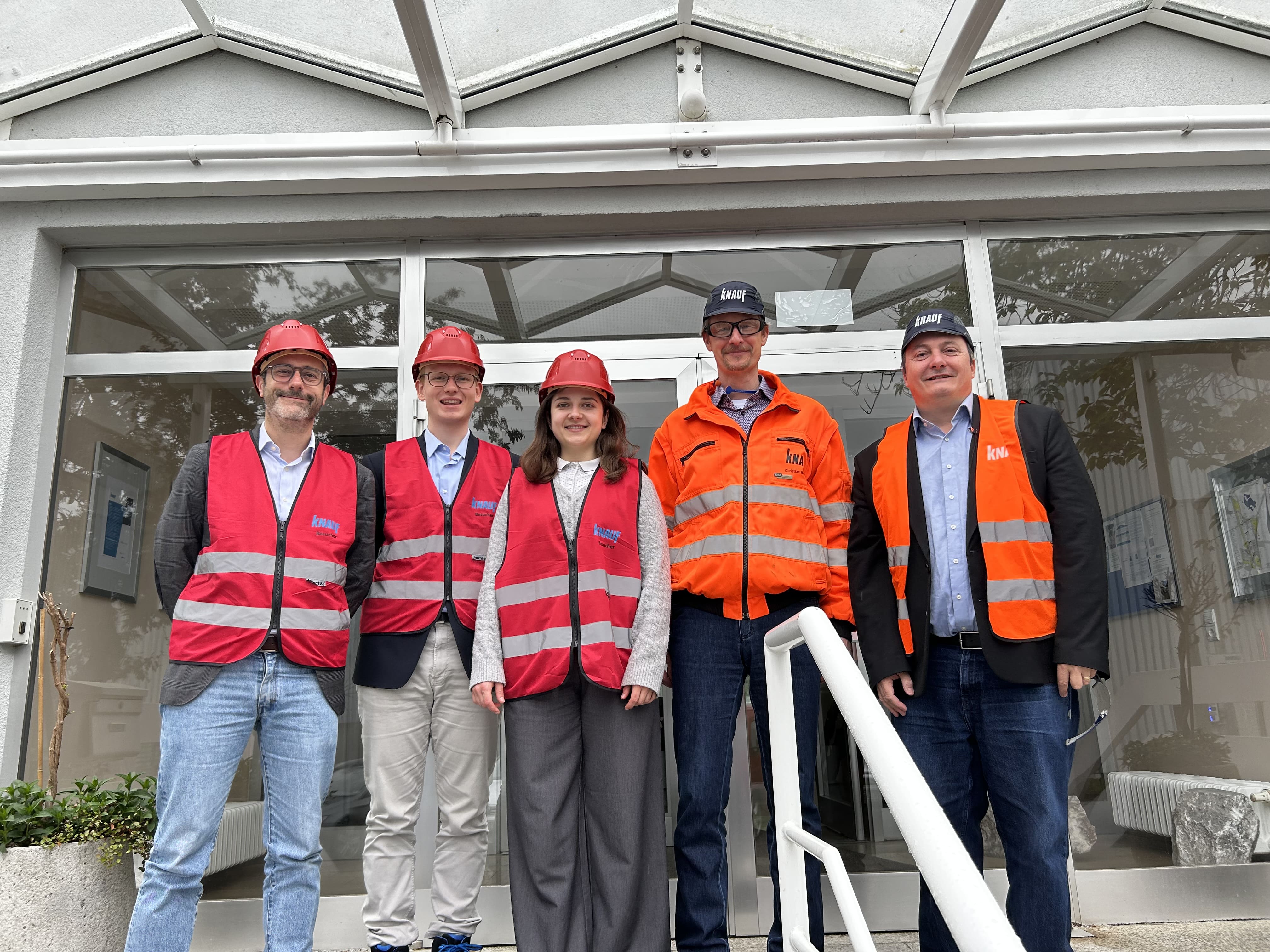
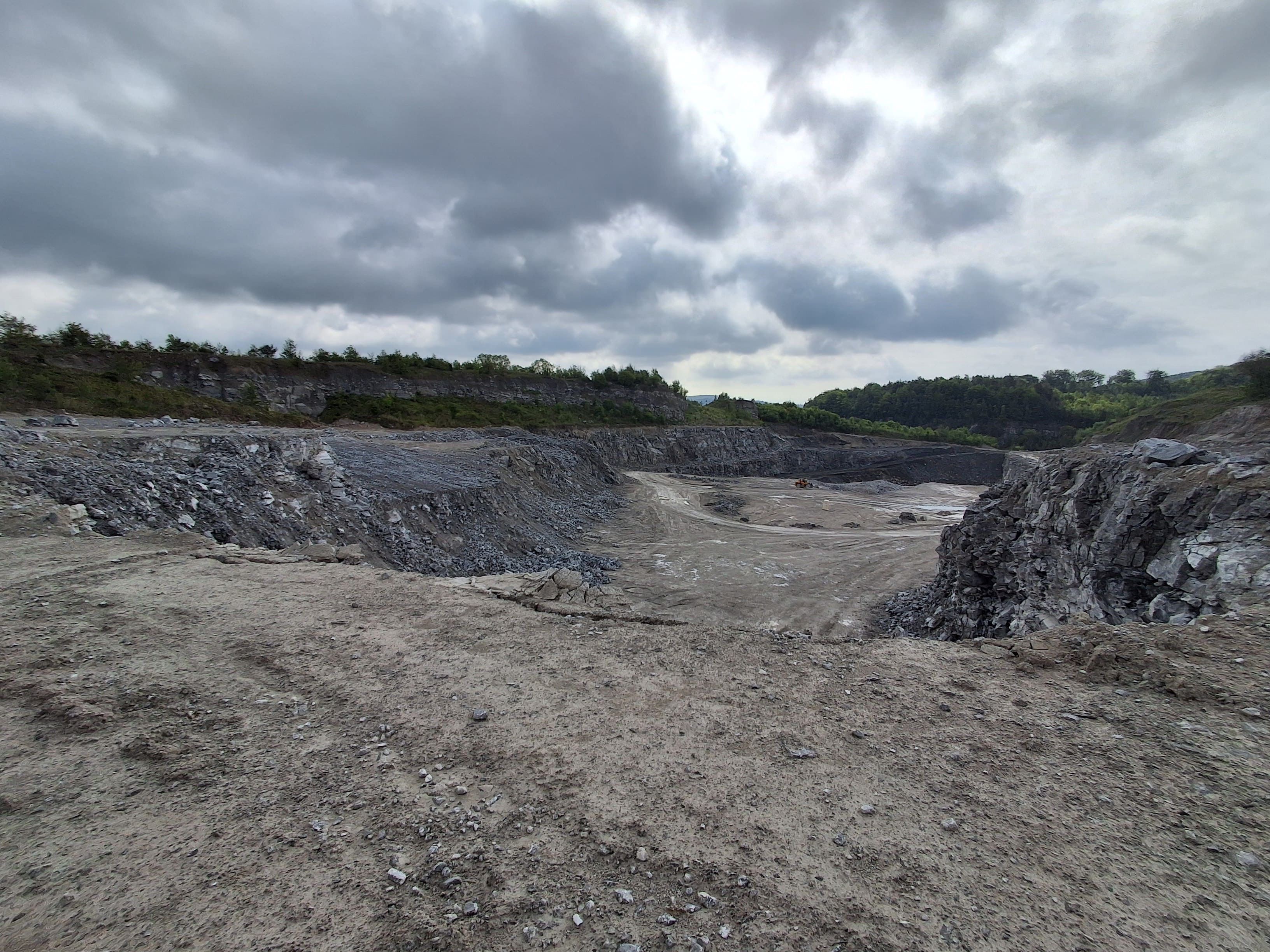
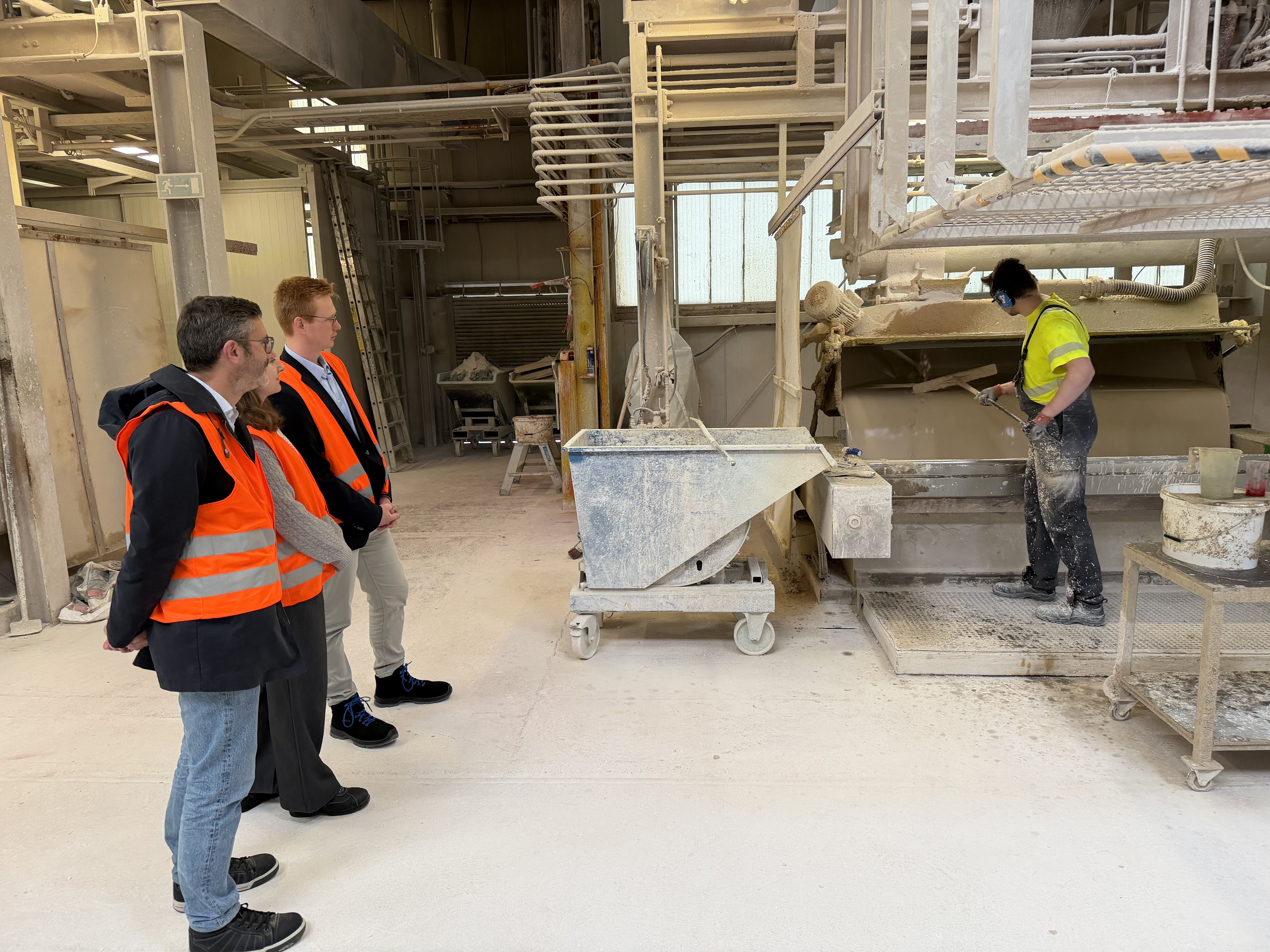
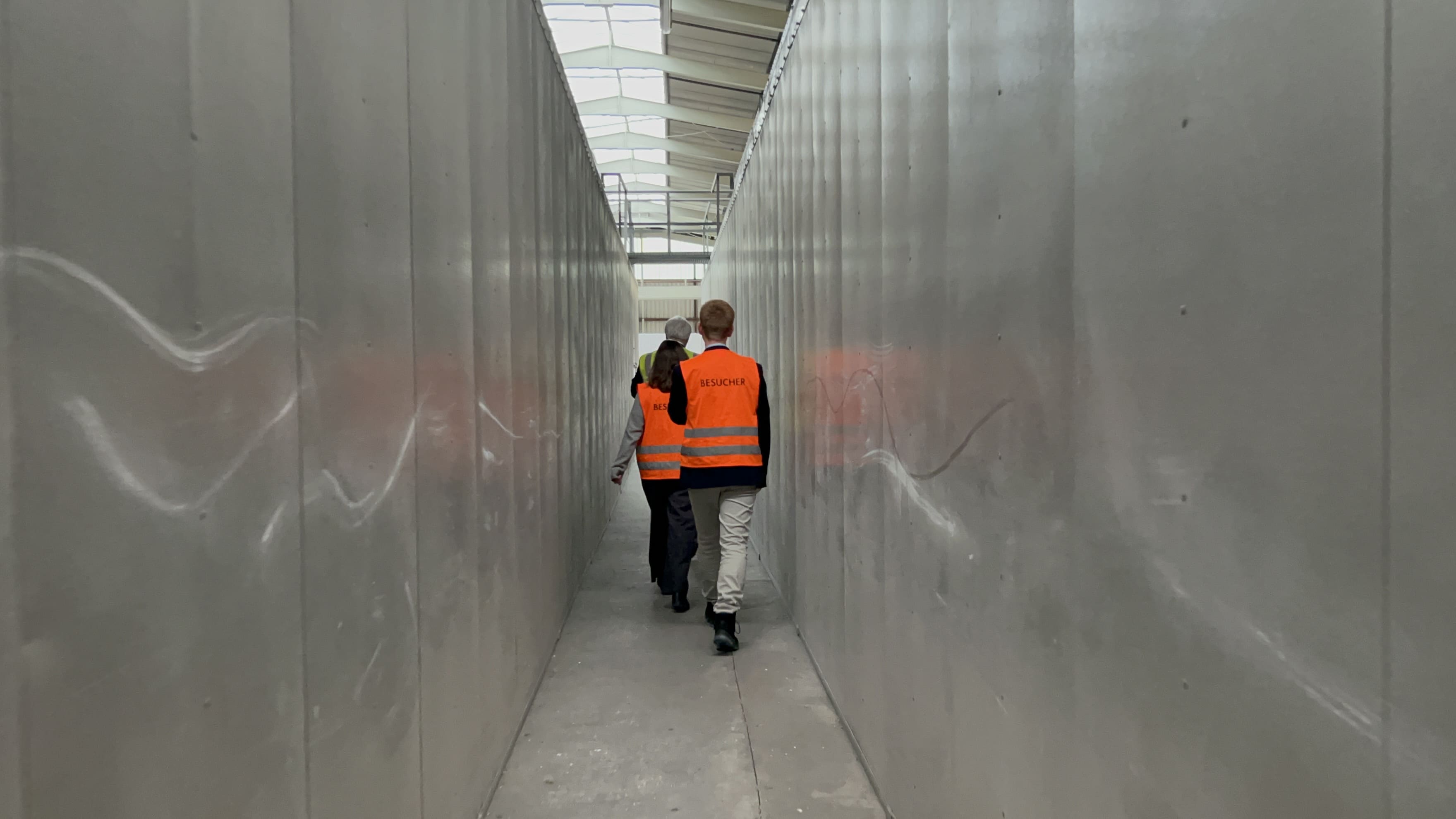
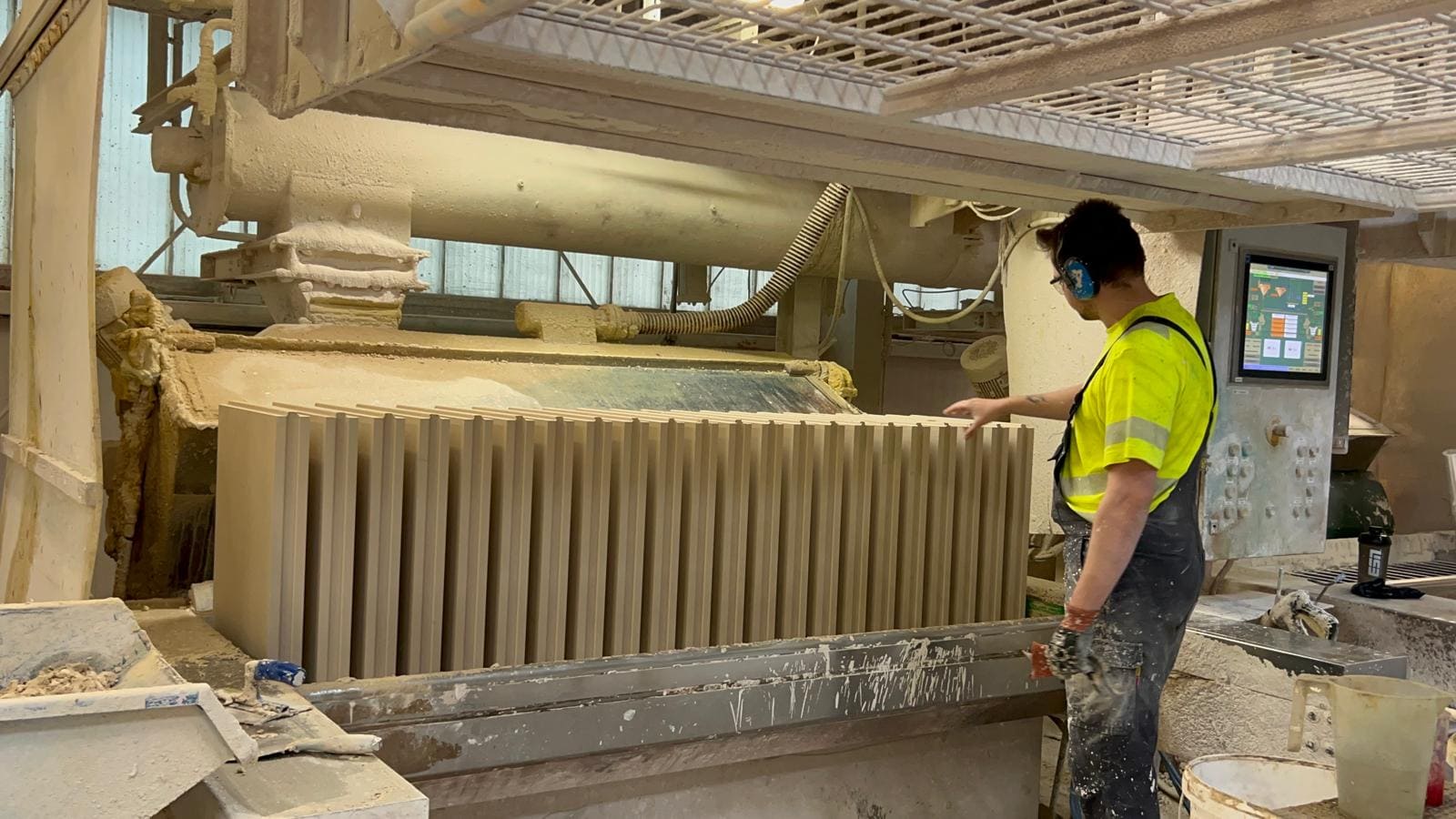
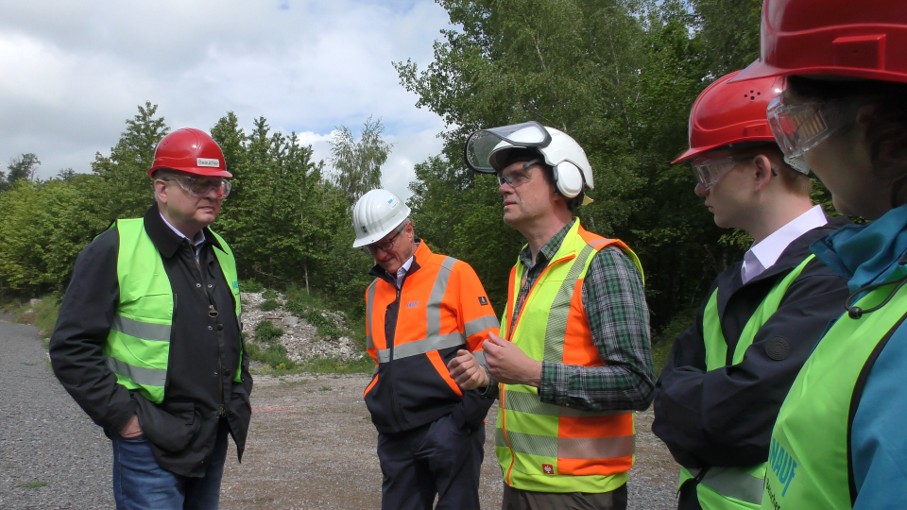
The team visited the gypsum quarry and the production facilities for plasters and gypsum blocks operated by VG-ORTH GmbH & Co. KG, as well as the plasterboard plant operated by Knauf in Stadtoldendorf. Both companies have long been established in Lower Saxony, contributing to the local economy and communities. They produce solutions that are indispensable for building construction and renovation, manufactured in Europe, with domestic raw materials, and with safety, environmental and social responsibility at the core of their operations.
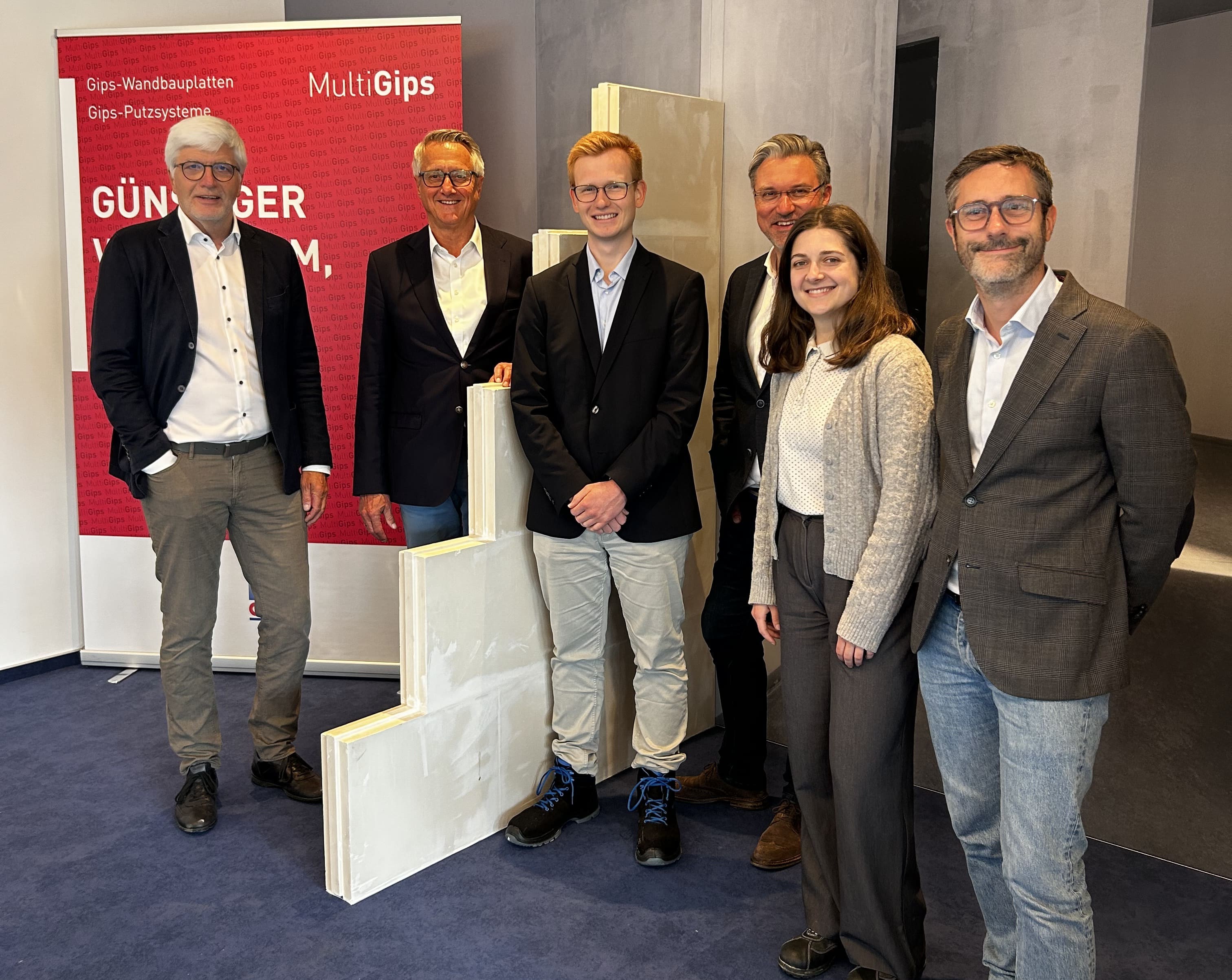
Exchanges with Thomas Bremer and Carsten Ketteler of VG-Orth, and with Matías Javier Malatto and Kristian Waldeck of Knauf, led to three key takeaways:
1. A stable supply of natural gypsum over the long term is indispensable. Recycled gypsum can only be part of the solution and remains challenging in less urbanised regions. Long processing times for extractive permits, often more than 10-15 years, are a clear obstacle to investment.
2. Energy costs represent a major challenge for processing industries. The sector is investing heavily in switching to renewable energy inputs, but cost and technical constraints remain important deterrents.
3. The gypsum sector is strongly committed to responsible use of resources and land. Compliance with EU regulations is paramount, but there is room for simplification to keep a competitive industry reliant on domestic resources.
Nature restoration in the Harz region
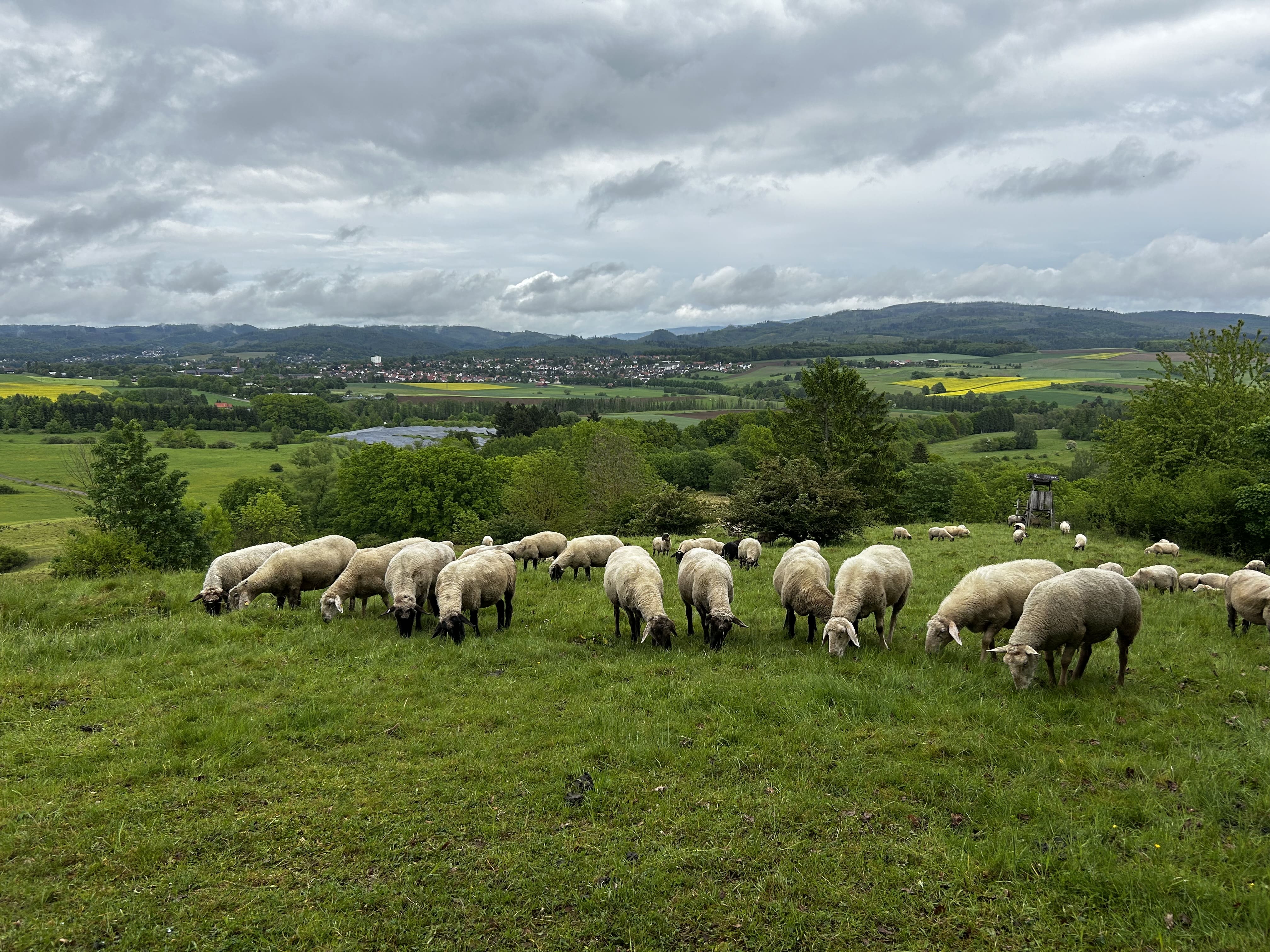
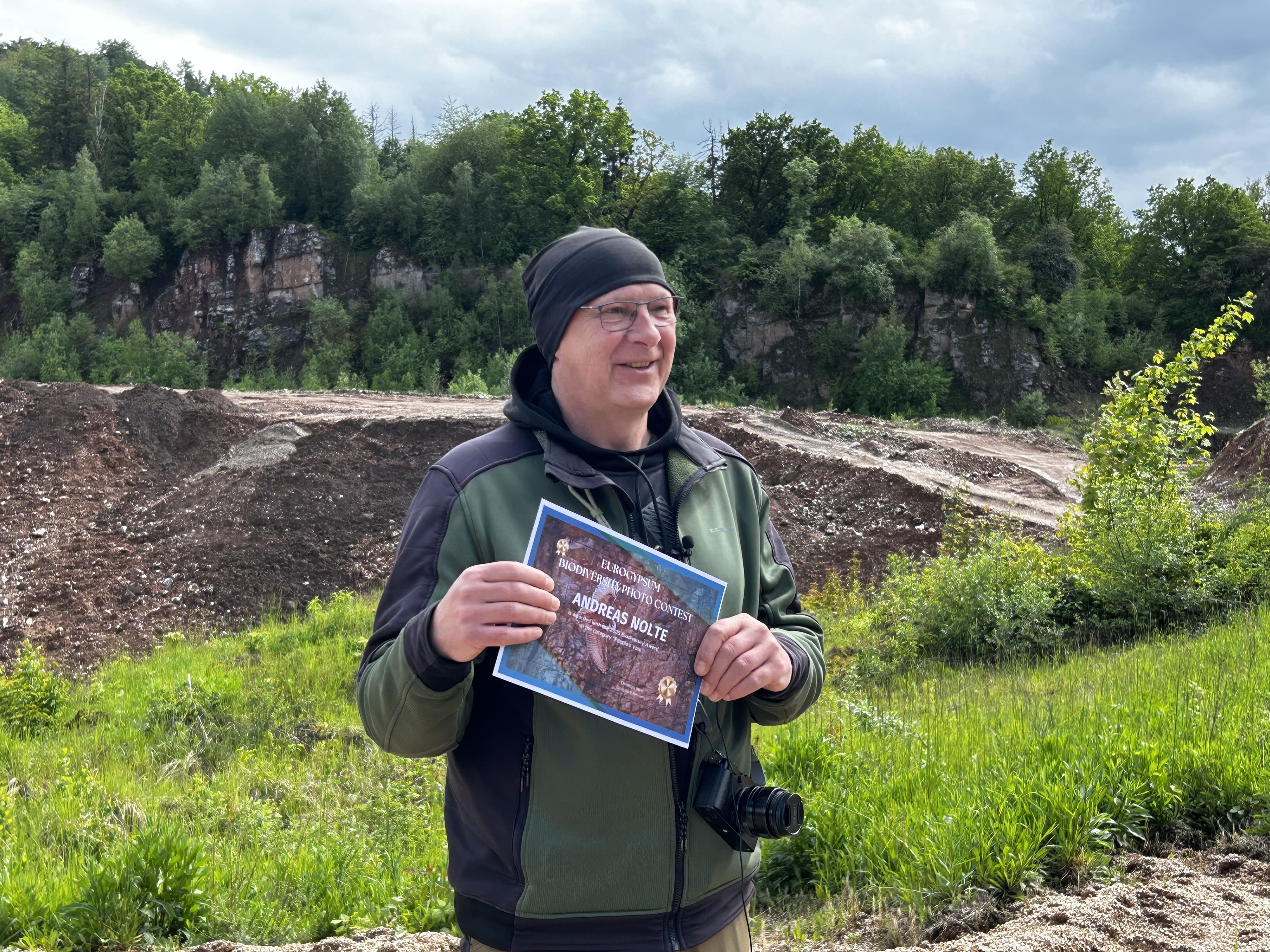
Responsible resource management is also about planning and carrying out nature restoration during and after quarrying operations. That responsibility is taken very seriously by the sector, as the team experienced firsthand in Germany's Harz region.
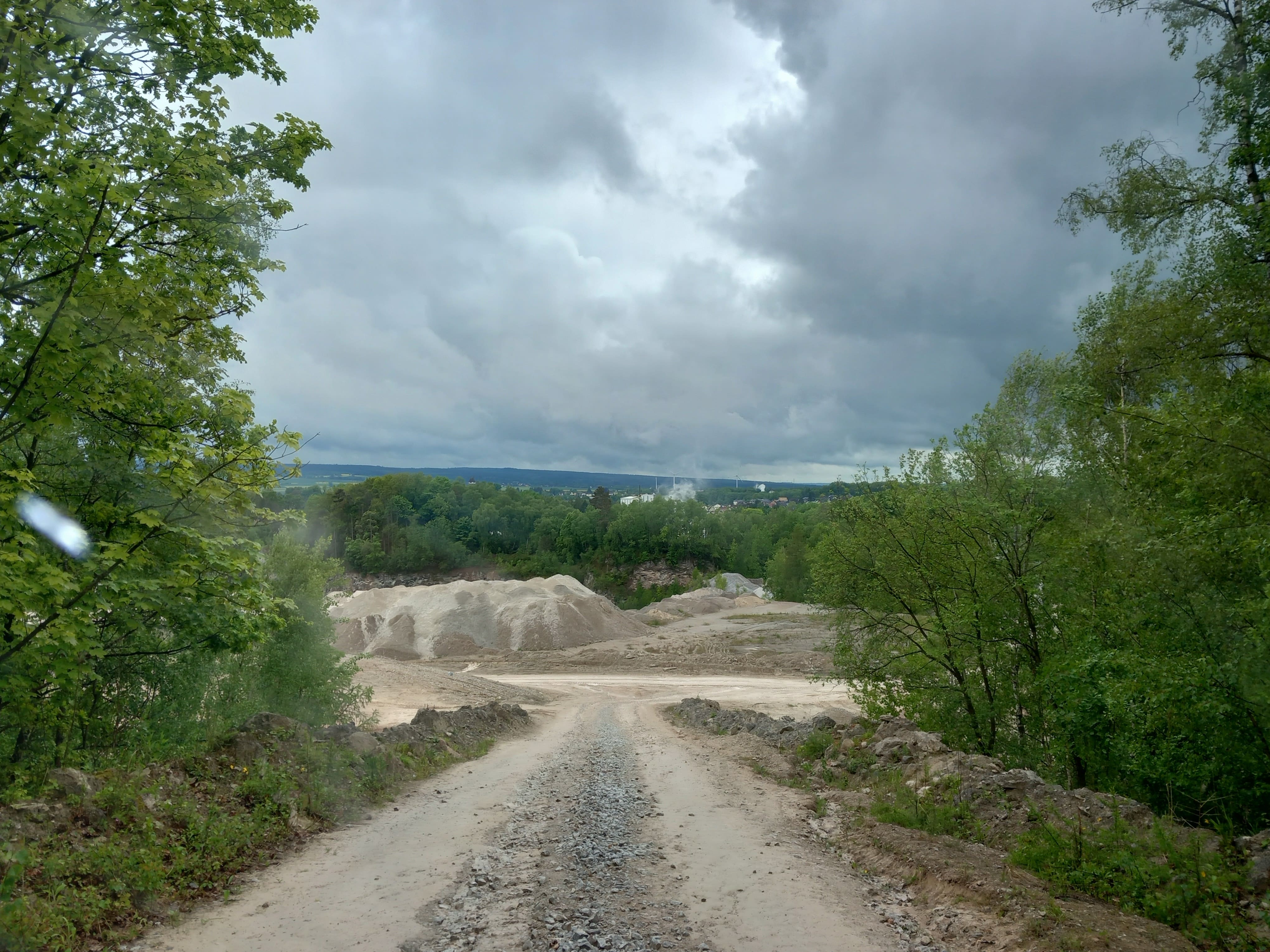
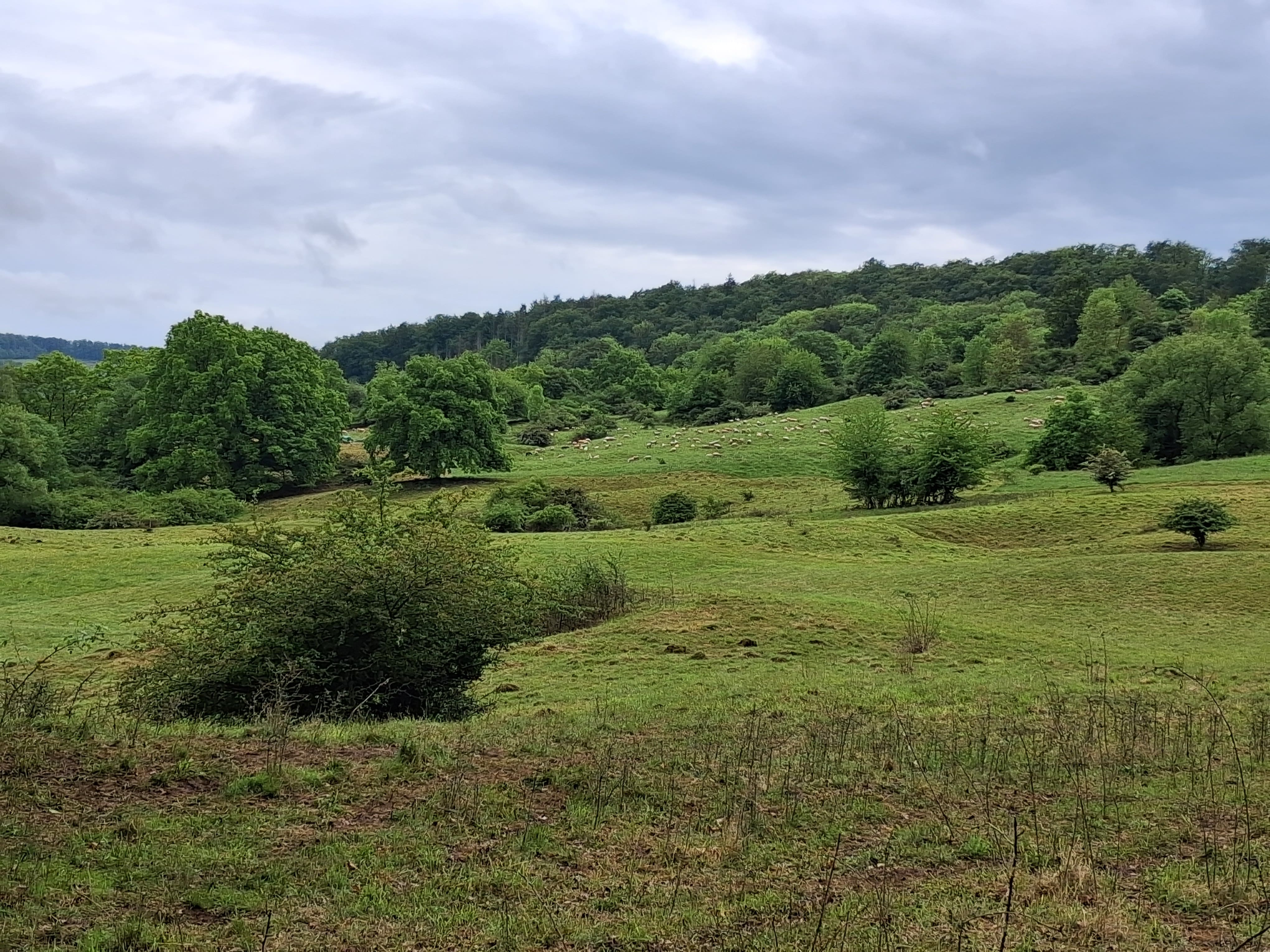
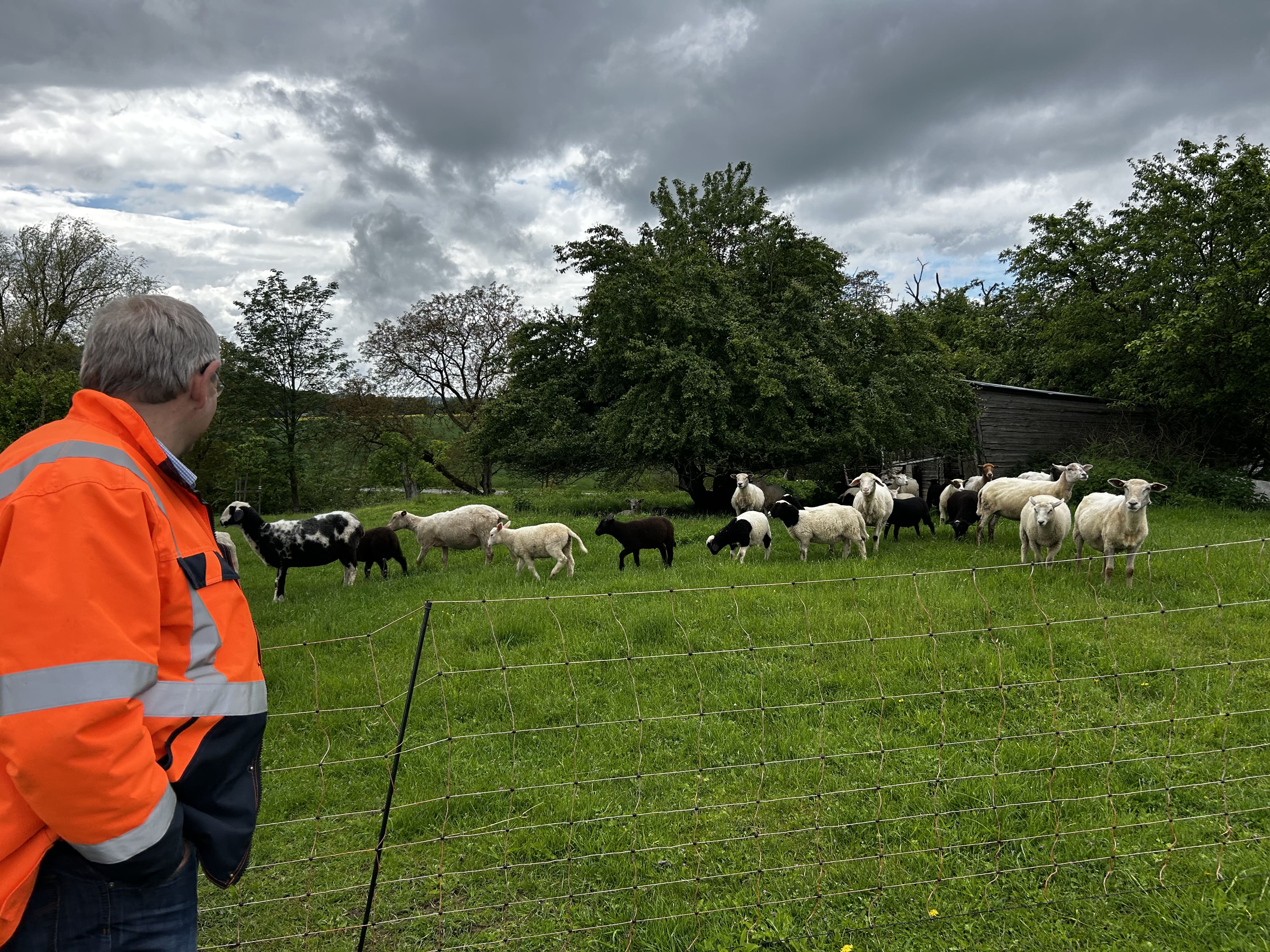
At the Rump & Salzmann Ührde quarry, the local team around Uwe Schridde and Simon Bialek demonstrated the passion and effort invested in recultivating the land, creating the conditions for biodiversity to grow and developing the site's touristic value. A gypsum quarry area is livelier than one might expect: alongside gypsum rock, the team saw sheep grazing among photovoltaic panels, and a 265 km hiking trail, the Karstwanderweg, running through the landscape.
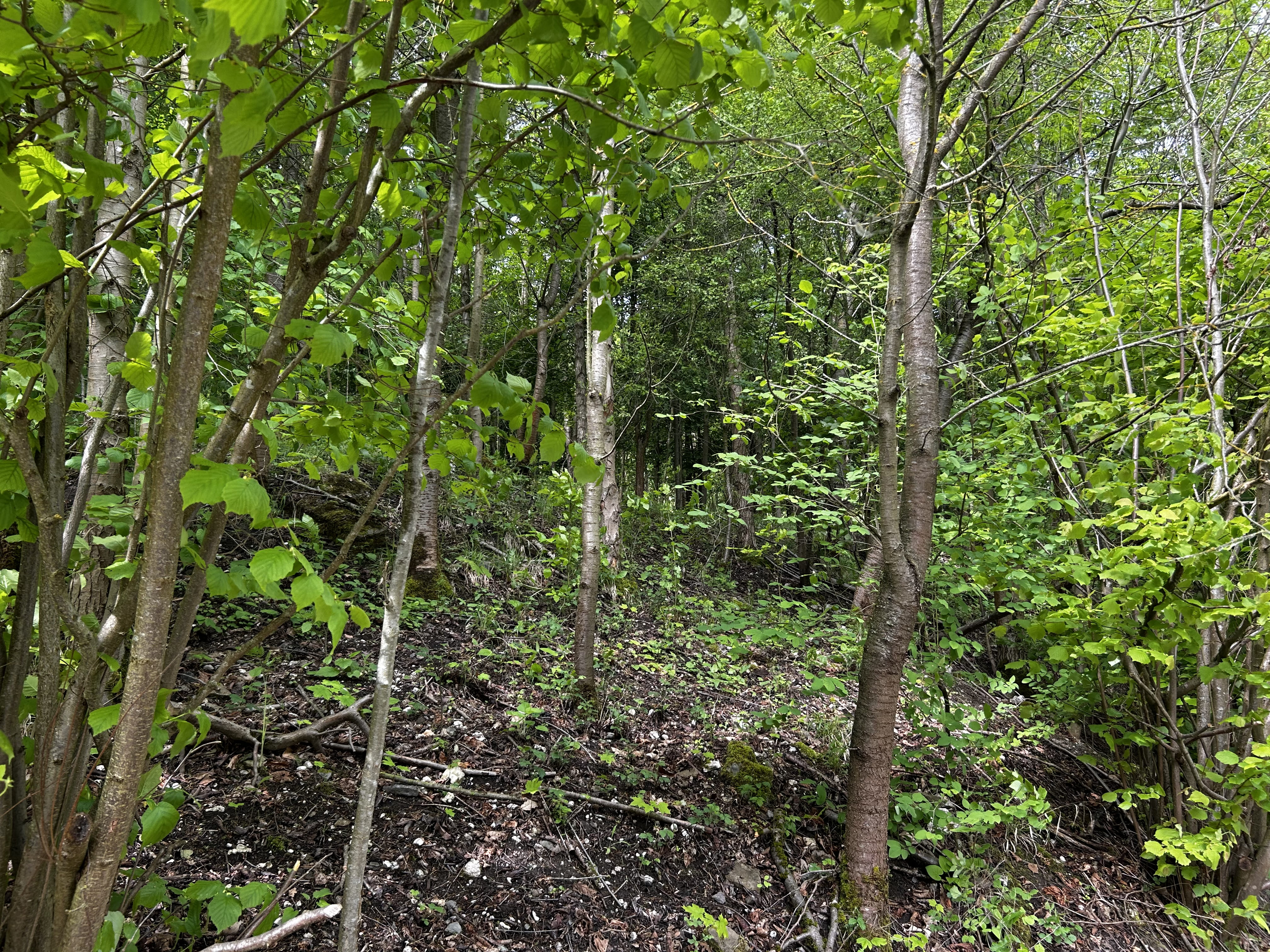
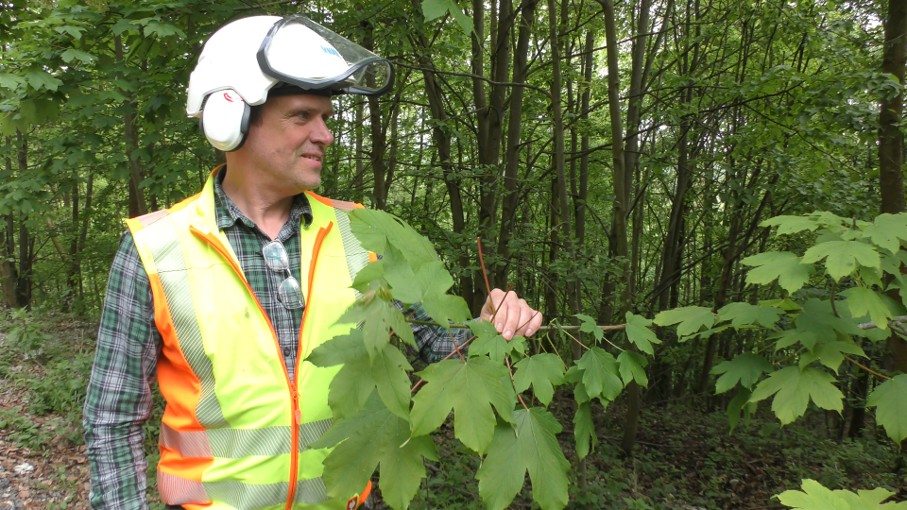
Another best practice from the German gypsum industry shows nature restoration healing wounds of the past. At Knauf Deutschland in Rottleberode, forest manager Lars Kothe and quarry manager André Materlik presented the achievements of their team in reforesting the area operated during GDR times before 1990. Beyond the successful recultivation of the land, the adaptation of various tree species and the return of the lynx are powerful signals of the project's success.
Domestic resources, compatible with nature
Europe needs raw materials to build and maintain affordable buildings. The good news is that those resources exist domestically and can be supplied locally and responsibly. Rather than turning to imports and higher CO₂ emissions, the European gypsum sector demonstrates that domestic sourcing is the key to a dynamic and competitive industry, fully compatible with nature protection and restoration.
The Eurogypsum team extends its warm thanks to VG-Orth, Knauf and Rump & Salzmann for the very productive exchanges and visits.
.jpg)
.jpg)